Choosing where to stay in Buenos Aires trips up more first-time visitors than any other planning decision. The best areas to stay in Buenos Aires are all quite different from each other: leafy Palermo feels like a different city than the cobblestoned streets of San Telmo, and prices, atmosphere and evening safety vary block by block. Pick a base that doesn’t match your travel style, and you’ll spend your trip on long subway rides instead of soaking up the city.
This guide breaks down the neighborhoods that work best for a first visit, from green, cafe-filled Palermo to the historic core around Plaza de Mayo. We’ll compare San Telmo and Microcentro, look at elegant Recoleta and practical Retiro, and cover the best times to book for good weather and fair rates. A final section matches each neighborhood to your budget and travel style, so you can choose a base with confidence and spend your nights in Buenos Aires eating, walking and exploring rather than commuting.
Why Your Neighborhood Choice Shapes Your First Buenos Aires Trip
Buenos Aires is enormous. The city is officially divided into 48 barrios, and they spread far wider than most visitors expect. If you book a room in the wrong corner, a simple day of sightseeing can turn into an hour of commuting each way, eating into the time you actually have for exploring.
Most first-time visitors want the same three things from a base: streets you can walk comfortably, restaurants and cafes within a few blocks, and a route back to your hotel that feels safe after dinner. Neighborhoods like Palermo, San Telmo, Recoleta and Microcentro deliver that combination, which is why they dominate most first-timer itineraries.
How long you’ll stay matters
Most first-timers stay 4-6 nights in the city, which is enough time to explore two or three neighborhoods on foot. That changes how you should think about your hotel choice. You don’t need one perfect location that covers everything, because you’ll likely wander beyond your base anyway. What you need is a comfortable home in an area that matches your pace, whether that’s nightlife, classic sights or quiet tree-lined streets.
The sections below walk through each of those areas in detail, so you can match your style to the right barrio before you book.
Palermo: Best Areas to Stay in Buenos Aires for Cafes and Green Space
Palermo is Buenos Aires’ largest neighborhood, and it feels more like a collection of small villages than one district. It sits about 30-40 minutes by subway from Microcentro, so it’s not the most central option, but many travelers find the trade-off worthwhile: wide sidewalks, parks on the doorstep and some of the city’s best cafe culture.
Palermo Soho vs. Palermo Hollywood
The neighborhood splits into two zones worth knowing before you book. Palermo Soho is the spot for boutique shopping and nightlife, with independent design stores that stay open into the evening and bars that fill up late. Palermo Hollywood, a short walk away, is the restaurant heartland, where the dining options stretch for several blocks and reservations are a good idea on weekends.
If you’ve ever booked a stay in a leafy, restaurant-heavy district elsewhere in Latin America, like the areas covered in our San José hotels guide for travelers, Palermo will feel familiar: modern, green and built for lingering over dinner.
Mid-range hotels in Palermo run roughly USD 70-140 per night, which puts it slightly above the historic core but below what you’d pay for equivalent comfort in many capital cities. This is the best pick for travelers who want a modern, leafy base and don’t mind a subway ride to reach the classic downtown sights.
San Telmo and Microcentro: Classic Stays Near the Historic Core
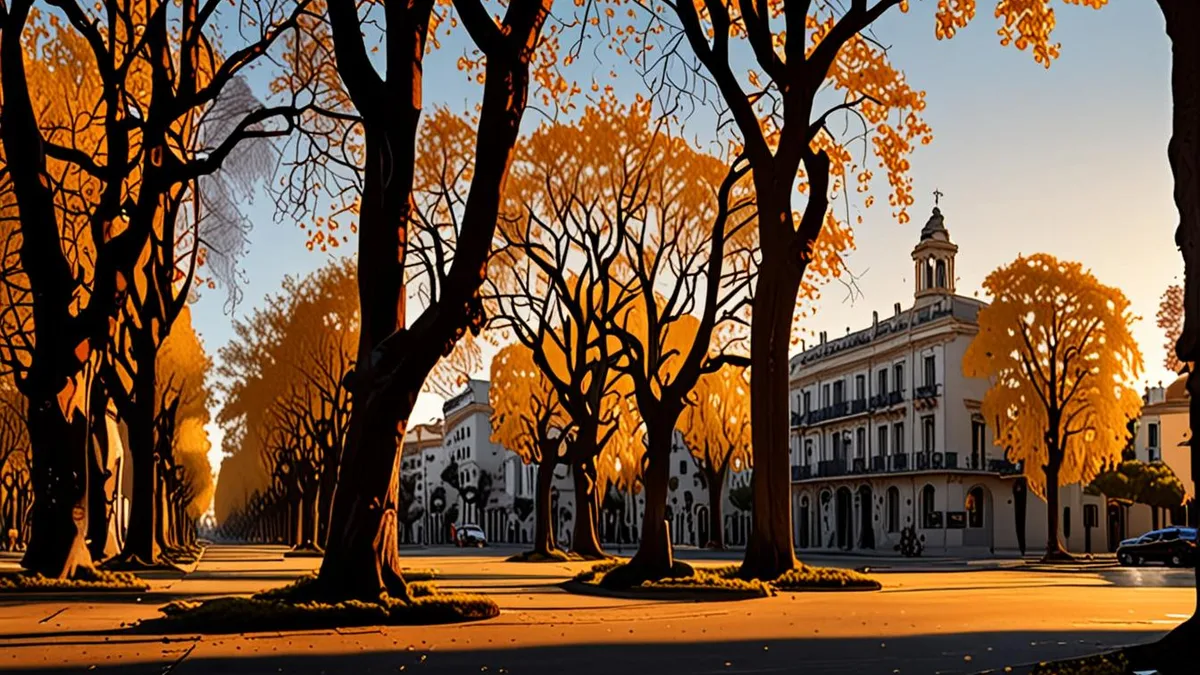
San Telmo is Buenos Aires at its most atmospheric. Cobblestone streets, crumbling-but-beautiful colonial facades and tango halls where couples dance well past midnight give the neighborhood a character you won’t find in the glossier districts. It’s compact and walkable, and the Sunday flea market around Plaza Dorrego turns the whole area into a street fair of antiques, street food and performers.
Budget stays here cost about USD 25-50 per night, making San Telmo one of the cheapest central areas in the city. That price level suits shorter, city-focused trips where you’d rather spend on meals and tango shows than on a hotel. The trade-off is that some streets get lively late into the night, so light sleepers should look for rooms off the main party blocks.
Microcentro, just north of San Telmo, is the business heart of the city. It puts you steps from the Obelisco and Plaza de Mayo, which means zero transit time for the classic sightseeing circuit. The one quirk: it’s quietest on weekends, when offices close and many restaurants shut with them.
- Ask for a room facing an interior courtyard in San Telmo, since many older buildings convert street noise into a real sleep problem on weekend nights.
- The Sunday market around Plaza Dorrego means nearby streets close to traffic, so taxis and rideshares need to drop you a few blocks away that morning.
- In Microcentro, lunch options are excellent on weekdays because offices fill the cafes, but check opening days for restaurants if your stay includes a Sunday.
- Subway Line A and several bus corridors run through Microcentro, making it a practical launch point if you plan to fan out across the city daily.
Recoleta and Retiro: Elegant, Walkable and Central
Recoleta is the neighborhood travelers picture when they imagine Buenos Aires with a European accent. Wide avenues are lined with French-style mansions, and the area around Plaza Francia holds several of the city’s best museums and galleries. The famous Recoleta Cemetery, with its elaborate mausoleums, draws visitors from all over the world and is easy to reach on foot from most hotels in the area.
Why Recoleta works for a first stay
The streets here feel calm and safe for evening walks, and you will find plenty of traditional cafes, bakeries and restaurants within a few blocks. Hotels tend toward the refined end of the scale, so this is a good match if you want a polished base rather than a party neighborhood. It suits travelers who plan their days around sightseeing and appreciate coming back to a quiet, elegant corner of the city.
Retiro: practical and surprisingly central
Right next door, Retiro is the city’s main bus and rail hub. If your itinerary includes day trips out of Buenos Aires, or you want simple connections for airport transfers, staying here saves you from hauling luggage across town. The area around the train station is busier and less picturesque than Recoleta, so choose your exact block with some care.
The biggest practical advantage of both neighborhoods is location. They sit within walking distance of Microcentro, which means many of the major landmarks are reachable on foot. On sightseeing days you can skip the subway entirely, and that saved transit time adds up over a week-long stay.
When to Book: Seasons and Lead Times
Timing your booking matters almost as much as picking the right barrio. Buenos Aires has distinct high and low seasons, and hotel rates in the popular neighborhoods swing noticeably between them. A little planning goes a long way here, especially if you have your eye on Palermo or Recoleta, where the best-value rooms tend to be claimed first by travelers who booked early. Since most first-timers stay 4-6 nights in the city, even a modest difference in the nightly rate adds up to real money across a full trip. The good news is that Buenos Aires rewards flexible planning: shifting your dates by a few weeks can change what you pay noticeably.
- Pick your travel window first. Aim for March to May or September to November. These shoulder periods bring mild weather and thinner crowds, so you can walk between sights comfortably and sit down to dinner without long waits.
- Compare high season and low season rates. High season hotel prices run roughly 30-50% above low season rates. If your dates are flexible, shifting your trip by a few weeks can free up a meaningful part of your budget for restaurants, tango shows or a nicer room.
- Book early for peak demand periods. For October-November and March stays, book 2-3 months ahead. This is when you are most likely to secure better rates in Palermo and Recoleta, and to have real choice among hotels instead of settling for whatever is left.
- Recheck rates before you pay. Prices move, so check current rates with your hotel or booking platform rather than assuming an older quote still holds. Fees and taxes can also change from year to year, so confirm the full total.
One last tip: once your dates are set, lock in refundable rates where possible. That way you keep flexibility if flights shift or plans change, without giving up the price you secured by booking ahead. A short email to the hotel confirming your reservation a week or two before arrival is also a smart habit, particularly for smaller guesthouses that do not always update big booking platforms right away.
How to Choose Your Base by Budget and Travel Style
The right base depends less on which neighborhood is objectively best and more on how you plan to spend your days and evenings. A foodie and a museum-focused traveler will be happiest in very different parts of the city, so it pays to match your accommodation to your actual itinerary rather than to someone else’s highlight list. Before booking, think honestly about your budget, your pace and how much time you want to spend on the subway each day.
Since a first visit usually gives you enough time to settle into one area and explore beyond it, your base is worth choosing carefully. Here is how the main options match up to common travel styles:
- Backpackers and short stays: San Telmo or Almagro, where budget stays cost about USD 25-50 per night. Almagro in particular sees fewer tourists, so you get a more local feel and easy subway access for the price.
- Foodies and nightlife seekers: Palermo Soho, with its boutique hotels and late dinners. Argentines dine late, and staying in the neighborhood means you can walk home after midnight instead of hunting for a taxi.
- Classic sightseers: Recoleta or Microcentro, for walkable access to major landmarks. If your days revolve around the Obelisco, Plaza de Mayo and the big museums, being central beats being trendy.
Whichever profile fits you best, check current nightly rates before committing, since prices shift with the season and availability can change quickly in popular areas. Reading recent guest reviews also helps you spot noise issues, safety concerns around the block or unreliable air conditioning before they become your problem. And if you genuinely cannot decide between two areas, splitting your stay works well: spend the first half in a central base for sightseeing, then move to a calmer or more atmospheric neighborhood once you know your way around. Just keep the move to a single change so you are not repacking every other night.
Wrapping Up Your Buenos Aires Base
Matching the right barrio to your travel style takes a little homework, but the main first-timer profiles are well covered here. Palermo suits travelers who want cafes and green space, San Telmo and Microcentro work well for budget stays near the historic core, and Recoleta offers a refined, walkable base. Decide what matters most to you, whether that is food, nightlife, architecture or easy access to major sights, and let that guide your pick.
Timing matters too. March to May and September to November offer the best balance of mild weather and thinner crowds, while booking a few months ahead helps you secure better rates. With four to six nights in the city, you have enough time to settle into one area and still explore beyond it. If this guide helped you plan your stay, leave a comment or share it with a fellow traveler.