Mexico City is enormous, and picking the wrong base can quietly add an hour of transit to every single day of your trip. Stay in the wrong colonia and you’ll spend your mornings in traffic instead of at the Zócalo, and your evenings far from the restaurants you came for. This Mexico city hotel guide matches each neighborhood to your travel style, whether you want walkable cafes, sightseeing on your doorstep, luxury comfort, or a quiet local feel.
We break down the city’s main visitor areas one by one: leafy Roma and Condesa for first-timers, the Centro Histórico for sightseeing, Polanco for luxury and business travelers, and Coyoacán and San Ángel for a slower, more local stay. You’ll also find realistic price expectations for each area, tips on when to book for the best rates, and a simple framework for choosing the neighborhood that fits your trip. By the end, you’ll know exactly where to unpack.
Roma and Condesa: Best for First-Timers
Roma and Condesa are the neighborhoods most first-time visitors fall in love with, and for good reason. These adjacent colonias are leafy and genuinely walkable, with wide sidewalks, art deco buildings, tree-lined avenues and plazas where locals walk dogs and sip coffee. The streets are packed with cafes, restaurants, cocktail bars and small galleries, so you can fill an entire day without ever leaving the area.
What you’ll pay
Accommodation here hits a sweet spot for most budgets. Mid-range hotels mostly run USD 60-120 per night, and there are plenty of stylish boutique options in converted townhouses if you want something with more character. You’ll find everything from minimalist design hotels to cozy guesthouses a block off the main drags, so it pays to browse a few blocks in either direction.
Getting around from Roma and Condesa
Location-wise, you’re well positioned. Both Centro Histórico and Chapultepec Park are easy to reach, typically 10-15 minutes by rideshare, and many of the city’s top sights in these areas are walkable or a short ride apart. The metro and frequent buses add cheaper options, but honestly, Roma and Condesa reward walking more than almost anywhere else in the city. If your trip centers on food, coffee and nightlife with some sightseeing mixed in, this is the easiest place to base yourself.
Centro Histórico: Best for Sightseeing
If your Mexico City trip is built around sightseeing, the Centro Histórico puts you closest to the classics. From a hotel here, you can walk to the Zócalo, the Metropolitan Cathedral and several major museums without touching a rideshare app. The Templo Mayor ruins, grand colonial buildings and lively pedestrian streets are all steps away, which means you can sightsee in the morning, drop off your bags at midday, and head out again without wasting time in transit.
Prices and what to expect
The Centro is also one of the most affordable areas to stay. Budget and mid-range rooms start from about USD 30-90 per night, so it’s a strong pick if you’d rather spend your money on food and experiences than on your room. Many options sit in beautiful older buildings, though rooms can be smaller and simpler than what you’d find in Roma or Polanco at the same price.
One thing to check before booking
Here’s the honest caveat: the Centro is quieter and less lively at night than the western colonias, and some blocks feel noticeably different after dark. Before you book, read recent reviews and pay attention to what guests say about street safety and noise by block, since the experience can vary from one street to the next. A hotel a few doors down from another can feel completely different in the evening. If you’re comfortable with a calmer nighttime atmosphere and you check those reviews carefully, the Centro rewards you with unbeatable access to the city’s historic heart.
Polanco: Best for Luxury and Business
Polanco is where you go when comfort comes first. This upscale district sits right beside Chapultepec Park, and its hotels generally start around USD 200 per night, putting it firmly in luxury territory. You’ll find internationally known hotel chains alongside polished local properties, with the kind of service, soundproofing and amenities that business travelers and honeymooners both appreciate.
Dining and shopping on your doorstep
What sets Polanco apart is what’s within walking distance. The area’s fine dining corridor concentrates some of the city’s most celebrated restaurants, from tasting-menu spots to upscale steakhouses and international kitchens, and the high-end shopping along the main avenue covers designer boutiques and luxury department stores. If you plan your days around reservations and retail, you may barely need a car.
Polanco is also the best pick for travelers prioritizing comfort and proximity to museums over nightlife. Chapultepec Park’s museums, including the renowned anthropology museum, are close by, and the park itself makes for easy morning runs and walks. What you trade away is the bar-and-cafe energy of Roma and Condesa, which sit a short rideshare to the south.
If you often mix Mexico City into work trips, you might also find it useful to read up on where to stay in São Paulo on a business trip, since Brazil’s largest city rewards a similar approach to choosing a hotel. For Mexico City specifically, though, if a quiet, polished base near green space and museums matters more to you than nightlife, Polanco delivers exactly that.
Coyoacán and San Ángel: Best for a Local Feel
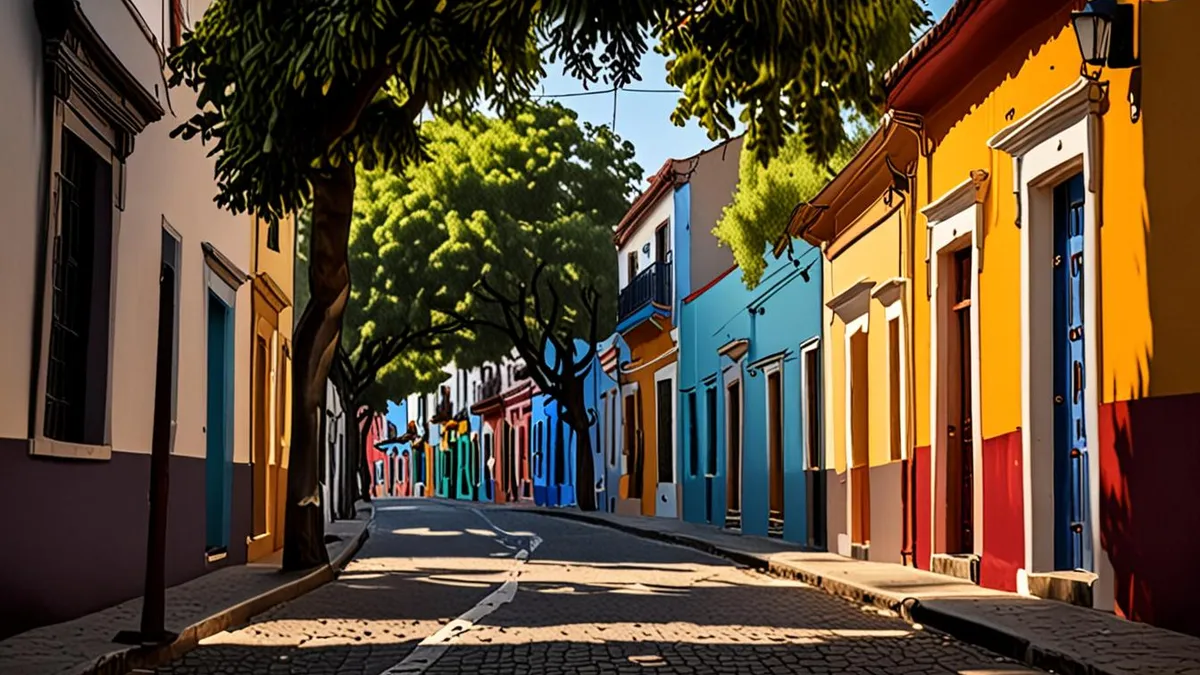
If your ideal Mexico City trip involves slow mornings, leafy plazas and fewer tourists underfoot, head south to Coyoacán and San Ángel. These colonial neighborhoods were once separate villages, and they still feel like it: cobblestone streets, low colorful facades, church squares shaded by jacaranda trees, and markets where locals actually do their shopping. Coyoacán’s central plaza is especially pleasant on weekends, when vendors, musicians and families fill the space around the parish church.
Accommodation here skews small and personal rather than big and branded. Think boutique guesthouses in converted colonial homes, family-run inns and furnished apartments, with rates that often land between USD 50 and 100 per night. You trade some polish compared to Polanco, but you gain character and a genuinely residential atmosphere. If you’ve enjoyed staying in small, locally run properties elsewhere in Latin America, such as the kind of places covered in this guide to San José hotels for travelers, you’ll feel right at home here.
Getting Around From the South
The main trade-off is distance. Allow 30-45 minutes by metro or rideshare to reach the Centro Histórico, Chapultepec or the Roma-Condesa nightlife zone. The metro is cheap and connects both areas, though it can be crowded at rush hour, so a rideshare is often the more comfortable choice after a long day of sightseeing. Plan your days by area rather than zigzagging across the city, and the commute becomes a minor detail rather than a daily headache.
These colonias suit travelers on a second visit, long stays, or anyone who values quiet evenings over being in the middle of the action. If it’s your first trip and you want to walk to major sights, Roma, Condesa or Centro will serve you better.
When to Book and What You’ll Pay
Mexico City’s hotel prices move with the weather more than with any fixed calendar of deals. The dry season, which runs from November through April, is when the city is at its most pleasant and its most expensive, so timing your booking matters more here than in many destinations.
For a dry season trip, reserve your room 2-3 months ahead. Prices creep up as availability shrinks, and the neighborhoods everyone wants, especially Roma, Condesa and Centro Histórico, fill their best-value rooms first. The single busiest stretch of the year is late October around Day of the Dead, when the city draws huge crowds for the celebrations and hotels sell out fastest. If that’s when you’re visiting, book even earlier than the usual window, and expect to pay noticeably more for rooms that cost far less at other times.
On the flip side, the rainy season from June to September brings the lowest rates of the year. Afternoon showers are common, but mornings are often clear, and savings can be substantial compared to high season.
- Weekends vs. weekdays: Business districts like Polanco can drop their rates on Friday and Saturday nights when corporate travelers leave, while leisure-heavy Roma and Condesa often do the opposite.
- Check the cancellation terms: During Day of the Dead week, many hotels tighten or remove free cancellation, so read the policy carefully before paying a deposit.
- Watch for holiday periods: Christmas, New Year and Easter week see surges of domestic travel, which can push prices up even outside the usual high-season pattern.
- Compare apartment rentals in the rainy season: Furnished apartments and guesthouses in Coyoacán and San Ángel are often at their most negotiable between June and September.
Whichever season you pick, it pays to check current rates directly with hotels as well as booking platforms, since small properties sometimes offer their best prices on their own channels.
How to Choose Your Mexico City Hotel
Choosing a hotel in Mexico City is really about choosing a neighborhood first and a property second. The city is enormous, and picking the wrong colonia can mean spending a big chunk of each day in transit instead of exploring. Work through these steps in order and you’ll land somewhere that fits your trip, your budget and your energy levels.
- Define what your days will look like. If you’re coming for museums, ruins and landmarks, base yourself in Centro Histórico so you can walk to the Zócalo and the cathedral. If food, cafes and nightlife are the priority, Roma-Condesa is the clear fit. If comfort, fine dining and quiet streets matter most, Polanco is built for exactly that.
- Set your budget by neighborhood, not just by price. The same money buys very different rooms in different colonias, so decide your nightly range first, then look at which areas have enough options in it.
- Check metro and Ecobici access if you plan to skip rideshares. Not every hotel sits near a metro station, and Ecobici, the city’s bike-share system, covers some neighborhoods far better than others. Look at the map before booking, not after.
- Read recent reviews for noise and street conditions. Some central blocks stay noisy late into the night, so search reviews specifically for comments on soundproofing, double-glazed windows and how well-lit and lively the surrounding streets feel after dark.
- Book earlier for high season. The best-value rooms in the most popular areas go first, so don’t leave a dry season trip until the last minute.
One final tip: once you’ve narrowed it down to two or three properties, compare their exact locations on a map rather than trusting neighborhood labels. A hotel can market itself as being in Roma while sitting on a noisy arterial road on its edge. Check how far the entrance is from the nearest metro stop or Ecobici dock, and whether restaurants and a corner store are within a short walk. A few minutes spent on street names and recent guest comments usually makes the decision obvious, and it can save you a disappointing stay in a spot that only looked good on a booking site.
Wrapping Up Your Mexico City Stay
With a metro area this sprawling, basing yourself in the wrong colonia can easily add an hour of daily transit to your trip. The fix is simple: match the neighborhood to your travel style. Roma and Condesa suit most first visits with their walkable streets and food scene, Centro Histórico maximizes sightseeing time, and Polanco delivers luxury and comfort.
Your budget has room in every area, from USD 20 hostels to USD 200-plus luxury rooms depending on where you stay. Whenever possible, book 2-3 months before the November-April dry season to lock in the best value. If this guide helped you plan your stay, leave a comment or share it with a fellow traveler.