The Scottish Highlands are enormous, and road times are longer than most first-time visitors expect. Pick the wrong base for your Scottish Highlands lodge and you can easily spend half your trip staring at the windshield instead of the scenery. A lodge that looks central on the map might still mean a three-hour drive to the coast or a long round trip for a single hike.
This guide breaks down the best areas to book, from the convenient Loch Ness and Inverness base to the pine forests around Aviemore, the mountain country of Fort William and Glencoe, and a splurge stay on the Isle of Skye. You’ll also find realistic advice on when to book and what you should expect to pay, plus a simple way to match your base to your trip so you spend your days exploring, not driving.
Loch Ness and Inverness: The Convenient Central Base
If this is your first trip to the Highlands, Loch Ness and Inverness is the easiest base to get right. You sit right where the A9 and A82 meet, so short drives take you to Urquhart Castle, the lochside villages and the Moray coast without any complicated route planning. Everything feels manageable: you can be back at your lodge for dinner after a full day out.
Easy arrivals and a handy central spot
Inverness is the main gateway to the region, with an airport and good rail links that make arrivals simple even if you’d rather not drive on day one. Aviemore is only about 45 minutes south by car, so a day of forest trails or a Cairngorms detour is an easy add-on from here.
What you’ll pay
Lodge prices here sit in the £120-£250 mid-range band for most of the year, which makes this one of the better-value areas in the Highlands. Availability is generally healthier than in the hotspots further west, though summer weeks still fill up, so book ahead if you’re traveling in peak season.
Aviemore and the Cairngorms: Forests, Trails and Family Lodges
Aviemore and the Cairngorms feel completely different from the loch-strewn west coast. This is pine forest country, with the largest network of waymarked trails in Britain spreading out around the village. If your ideal lodge holiday involves walking out the door onto a marked path, or cycling through the trees with the kids in tow, this is the area for you.
Fewer midges, more reliable days out
The east side of the Highlands has a drier, colder climate, and one welcome side effect: far fewer midges than the western lochs. Anyone who has endured a still summer evening on the west coast will understand why this matters. You can sit on your lodge deck at dusk without dousing yourself in repellent.
Family-sized lodges at fair prices
There’s a strong supply of family-sized lodges here, many with private hot tubs, and they’re often cheaper than equivalent properties on Skye. The mix of forest trails, wildlife, watersports on Loch Morlich and the mountain railway means there’s plenty to fill a week without long drives, which makes this one of the easiest areas to book with children in mind.
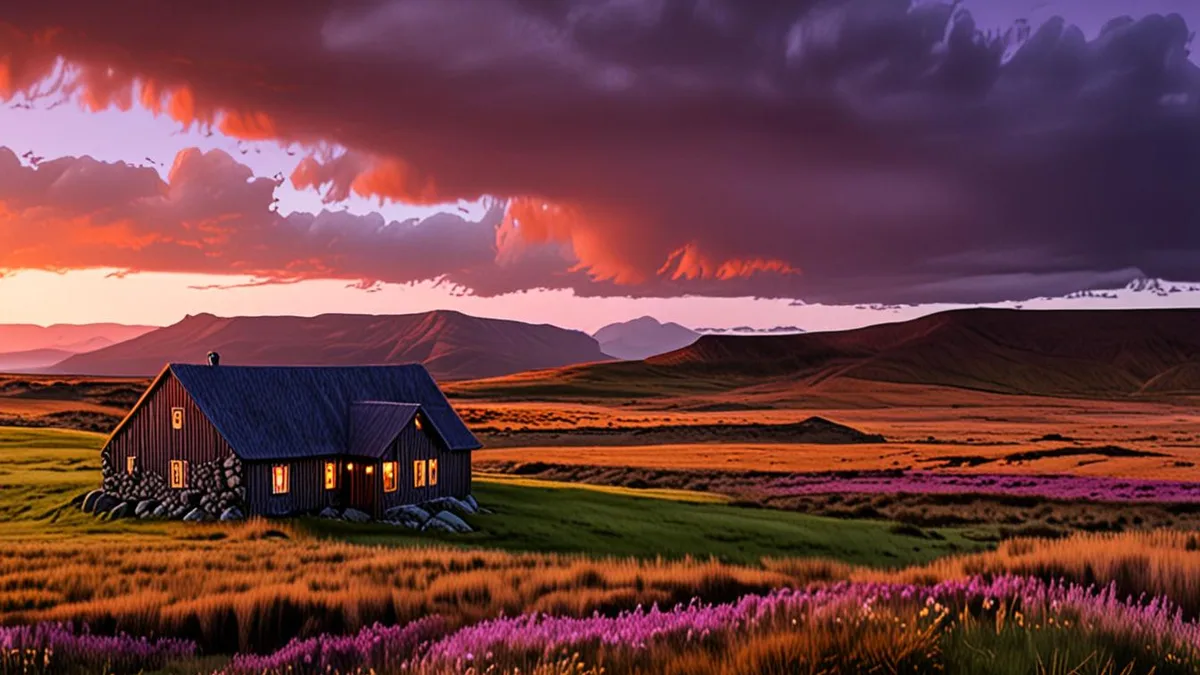
Fort William and Glencoe: Mountain Scenery and Outdoor Adventure
Fort William and Glencoe is the base for people who came for the mountains. Ben Nevis, the Glenfinnan viewpoint and the classic Glencoe panoramas are all within short drives, so you can shoot sunrise in one glen and still be back for a late breakfast. Photographers and hikers will find more drama per kilometer here than almost anywhere else in Scotland.
A natural west-coast stop
Location is the other big advantage. Fort William sits roughly 1.5-2 hours from both Glasgow and Inverness, which makes it a natural stop on any west-coast loop. You can fly into either city, pick up a car and be at your lodge by mid-afternoon without an exhausting transfer day.
Book the shoulder windows early
This area suits hikers and photographers best, and demand reflects that: lodges here book out fast for the May and September shoulder windows, when the light is soft, the weather is often kind and the midges haven’t taken over. If you want a specific lodge with a view, reserve those weeks well in advance rather than hoping for a late cancellation.
Isle of Skye: Dramatic Coastline for a Splurge Stay
If you want the most dramatic scenery in the Highlands, the Isle of Skye delivers it in spades. Base yourself in or near Portree, the island’s main town, or head further north to be close to the Old Man of Storr and the Quiraing. Both are short drives from lodges in this area, which means you can reach the famous viewpoints early in the morning before the parking areas fill up.
Getting there takes commitment. The drive from Inverness to Portree typically takes around 2.5 to 3 hours, and it is winding single and dual carriageway much of the way. Because of that, plan at least a three-night stay. Anything shorter and you will spend more of your trip in the car than out on the coast.
What a Skye lodge costs
This is the splurge option, and the prices reflect it. Luxury lodges on Skye commonly run £300 to £600 or more per night in summer, particularly those with sea views or private hot tubs. The best properties are snapped up quickly, so book 6 to 9 months ahead if you have your heart set on a specific lodge. If your budget is tighter, look at shoulder-season dates or smaller lodges slightly inland from the coast.
When to Book a Scottish Highlands Lodge and What to Pay
Timing makes a bigger difference to your lodge budget in the Highlands than almost anywhere else in Britain. June to August is peak season, when the weather is at its warmest and demand is at its highest. If you want a summer stay, reserve as early as you can to get the widest choice of lodges rather than settling for whatever is left by the time you book.
The shoulder months of May and September are the sweet spot for many travelers. Rates typically drop by 20 to 30 percent compared with summer, the roads are noticeably quieter, and the weather is often still decent for walking and sightseeing. For many lodges, these two months offer the best balance between cost and conditions.
Winter is the budget option. Stays between November and February can cost 30 to 40 percent less than summer rates, but check before booking that the lodge has proper heating and that access roads are manageable in snow. Some remote properties become tricky to reach after heavy weather, so ask the owner directly about winter access.
- Watch for minimum-stay rules in summer. Many popular lodges require three or seven-night bookings during peak weeks, which limits flexibility if you only want a short break.
- Compare weekly rates against nightly rates. Some owners discount longer stays outside peak season, so a week in October can cost less than four separate nights.
- Check the cancellation policy before paying a deposit. Booking far ahead of a summer trip means plans can change, and flexible terms are worth a small premium.
- Factor in heating costs on winter breaks. A few lodges charge extra for logs or electricity in colder months, which can quietly erode that 30 to 40 percent saving.
How to Choose the Right Area for Your Trip
The right lodge area depends less on price and more on what you actually plan to do each day. Match your base to your main activity: the Cairngorms around Aviemore suit forest walks and cycling, Fort William puts you at the foot of the mountains, and Skye is the pick for coastal scenery. Before you commit, sketch out a rough day-by-day plan and check that your shortlist of sights, trails or viewpoints sits within an easy drive of the lodge. Choosing the wrong side of the region for your plans turns every day into a long, tiring drive, and it eats into the hours you actually spend outdoors.
Resist the temptation to see everything. Limit yourself to two bases per week, because long Highland drives make one-night hops exhausting. Winding single-track roads, slow tractors and photo stops mean distances that look short on the map take longer than you expect. You will enjoy the trip far more with two or three unhurried nights in each place than with a different lodge every evening, and you will get to know your local pub, bakery and trailheads properly.
- Pack midge protection for west-coast stays. Areas like Skye and Fort William need head nets and repellent from June to August; east-side bases such as Aviemore see far fewer of them.
- Ask about road access before booking. Some lodges sit down single-track roads with passing places, so check whether you are comfortable driving them, especially if you are hiring a car.
- Think about your arrival point. If you fly into Inverness, east-side bases keep the transfer short, while Skye adds a substantial drive to day one.
- Check what is within walking distance. A lodge near a village pub or a waymarked trail saves you driving after a day outdoors, which matters more in the Highlands than in cities.
Wrapping Up Your Highlands Lodge Choice
The Scottish Highlands look close together on a map, but long road times mean the wrong base can quietly eat half your trip in driving. That is why the area you choose matters more than the individual lodge itself. Inverness works best for first-timers who want short drives and easy arrivals, Aviemore and the Cairngorms suit forest trails and families, Fort William puts you at the heart of mountain scenery, and Skye rewards a splurge stay with dramatic coastline.
Timing matters just as much as location. Shoulder-season bookings in May or September balance price, weather and crowds, while summer lodges are best secured 6-9 months ahead at anywhere from £120-£600+ depending on the area. Think about what you will actually spend your days doing before you commit to a region, keep the number of bases low, and the Highlands will feel far bigger than the parts you drive through. If this helped you plan your trip, leave a comment or share the article with a fellow traveler.