Searching for a glamping trip can feel like a guessing game. You find one canvas tent at $60 a night and a dome with a hot tub at $800, and both are labeled “glamping.” The prices look random, but they’re not — the glamping cost you’ll pay depends mostly on the type of structure, the season and what’s actually included in the rate.
This guide breaks it all down. We start with a quick-reference table of typical nightly rates by stay type, then walk through what each price band gets you, from basic bell tents to fully serviced luxury lodges. You’ll also learn what’s usually included in the price, when rates climb highest, how to book at the best price, and which hidden costs to factor in before you hit “reserve.” By the end, you’ll be able to compare listings confidently and know exactly what your budget buys.
What Does Glamping Cost at a Glance?
The fastest way to understand glamping prices is to sort them by stay type. Rates range from about $75 per night for a basic tent to $800 or more for a luxury lodge, and the difference comes down to structure, service and amenities rather than the “glamping” label itself.
Typical nightly rates by stay type
- Bell tents and canvas tents: $75–$150 per night — simple canvas shelters, often with shared facilities
- Yurts and safari tents: $150–$300 per night — real beds, private or en-suite bathrooms, decks
- Domes, treehouses and cabins: $200–$450 per night — heating, private bathrooms, standout design
- Luxury lodges and resort-style glamping: $400–$800+ per night — full service, hot tubs, catering
Why the huge spread? “Glamping” covers wildly different products. A $75 bell tent is essentially a pitched tent you don’t have to assemble, while a $600 lodge is closer to a boutique hotel room in the woods. They share a category name and little else, so comparing them side by side by price alone will always feel confusing.
One more thing to check before you book: most rates are quoted for two people. Extra guests often add $20–$50 per night, so a family of four can pay noticeably more than the headline rate suggests. Always look at the maximum occupancy and the per-guest fee on the listing.
Glamping Cost by Stay Type
The stay type you choose is the single biggest driver of what you’ll pay. Here’s how the four main categories break down, from simple canvas to full-service lodges.
Bell tents and canvas tents sit at the budget end of the scale, typically topping out around $150 per night for two people. Expect a proper bed or comfortable mattress on a raised base, but often shared bathrooms and a simple communal kitchen rather than anything private. It’s camping without the packing.
Yurts and safari tents occupy the middle ground at $150–$300 per night. These are spacious, solid structures that usually come with comfortable bedding, a bathroom of your own and a deck or veranda for morning coffee.
Domes, treehouses and cabins range from $200–$450 per night. At this level you typically get heating, a private bathroom and design features — panoramic windows, stargazing skylights or a treehouse setting that justifies the premium.
Luxury lodges and resort-style glamping start around $400 and can reach $800 or more per night. These behave like hotels: full service, hot tubs and catering are common, and some include meals or activities in the rate.
- Bell tents: often pitched on shared sites with communal firepits, so they suit travelers who want a social, campground-style atmosphere
- Yurts: their circular layout and insulation make them a popular choice for cooler months when basic canvas tents are less comfortable
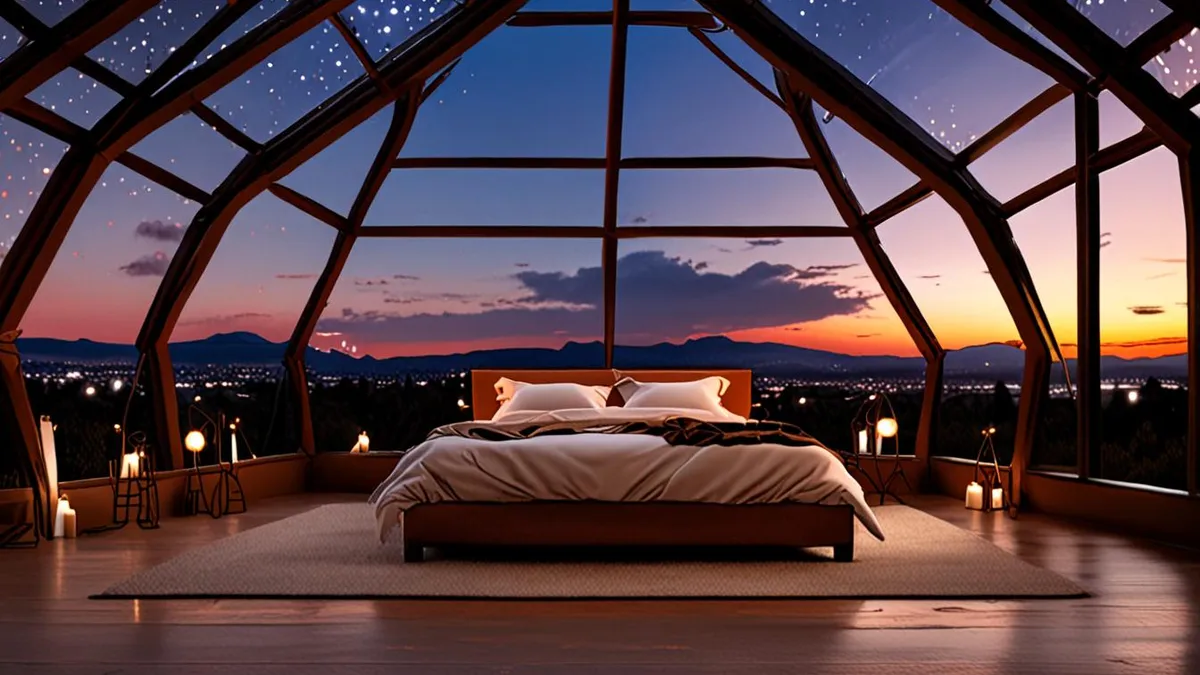
- Domes: transparent or windowed panels are a common design feature, making them favorites for stargazing and winter stays
- Treehouses: access is sometimes by ladder or stairs, so check the listing if you have mobility concerns or heavy luggage
- Luxury lodges: many include extras such as breakfast, daily housekeeping or on-site dining that would cost extra elsewhere
What’s Usually Included in the Price
The nightly rate covers more than just the structure, but what’s included varies a lot by price band. Knowing the baseline helps you compare listings fairly.
Even at the budget end, bedding, towels and basic kitchenware are standard. You shouldn’t need to bring a sleeping bag or a cooking pot to a $100 bell tent — if a listing expects you to, that’s a red flag worth questioning.
From mid-range upward, the inclusions grow. Yurts, domes and lodges typically come with private bathrooms, heating or cooling, and a firepit or BBQ outside. At luxury properties, meals, housekeeping and activities may all be part of the package, which is why their rates look so much higher.
Then there are the extras that often cost more, and they can add up quickly over a multi-night stay:
- Breakfast: often offered as an add-on at roughly $15–$30 per person, which is worth comparing against nearby cafés
- Hot tub use: some properties charge a fee per stay or require a minimum booking to switch it on
- Firewood: a firepit may be included, but the wood itself is frequently sold in bundles on site
- Activity add-ons: kayaking, guided hikes or paddleboard rentals are usually priced separately from your room rate
Before booking, scan the listing for an “included” or “amenities” section and add up the extras you’ll actually use. Two properties at the same nightly rate can end up costing very different amounts once breakfast, firewood and a hot tub session are factored in.
Season and Timing: When Glamping Costs More
Glamping prices swing more with the calendar than with geography. The same safari tent that costs $180 on a quiet May weeknight can easily top $250 in July, and the most sought-after units are often gone months before summer arrives.
Peak season: pay more, book earlier
Across the Northern Hemisphere, June through August is prime glamping time, and operators price accordingly. Expect peak season to add 30–50% to nightly rates compared with the rest of the year. Popular sites frequently sell out their best units first, so the domes and treehouses with the best views are usually claimed well before the budget tents.
The weather premium is real but not always dramatic. In many regions, late spring and early fall offer warm days and cool nights that are arguably better for sleeping under canvas than the hottest weeks of July.
The shoulder-season sweet spot
May and September through October deliver similar conditions in most destinations at 20–30% less than peak rates. Campfires feel better, sites are quieter, and you are more likely to get an upgrade when the property is half empty. If your dates are flexible, shifting a trip by even two or three weeks can shave a meaningful amount off the total.
Day of the week matters too. Weekend rates typically run 20–40% higher than midweek rates, so a Sunday-to-Thursday stay noticeably cuts the bill. Many glamping sites are weekend-oriented businesses, which means midweek guests often get more attention from hosts as a bonus.
How to Book Glamping at the Best Price
Glamping is a small, inventory-limited business: a site might have six units, and the best one books first. That scarcity works in your favor if you plan ahead, and against you if you leave it late. The good news is that glamping operators, like small hoteliers, reward flexible and early guests with noticeably better rates. A few simple habits will consistently get you a better unit at a lower price, whether you are eyeing a canvas tent or a high-end dome with a private deck.
- Book 3–6 months ahead for popular sites and peak dates. Early booking locks in base rates before seasonal surcharges apply, and you get first pick of layouts, views and private bathrooms. This matters most for summer weekends and holiday periods at well-known properties, where the most sought-after units can sell out months in advance.
- Compare platform prices with direct booking. Cleaning or service fees of $25–$75 per stay are common on booking platforms, and some owners offer the same unit cheaper on their own site. Always check the total price, not the headline nightly rate, before you commit.
- Hunt last-minute deals in shoulder season. Discounts of 15–25% are common when operators have empty units in May, September or October. Midweek gaps and single-night openings between two bookings are the best targets, since hosts would rather fill them cheaply than leave them dark.
- Ask about longer-stay or midweek rates. Many sites quietly offer reduced pricing for three-night or longer stays outside peak weeks. A short email is often all it takes to find out, and the worst case is a polite no.
One final tip: sign up for newsletters or follow your favorite sites on social media. Small glamping operations announce cancellations and seasonal offers there first, and those openings rarely last more than a day or two. Set alerts if the platform allows it, and reply quickly when something appears. In a market with so few units per site, being an early and responsive booker is often worth more than any discount code.
Hidden Costs and Budgeting Tips
The nightly rate is rarely the whole cost of a glamping trip. Because most sites sit in the countryside, logistics and add-ons can quietly add a surprising amount to the final bill, so it pays to budget for the full picture before you compare prices.
Start with access. Many glamping properties are typically 30–90 minutes from the nearest airport or train station, down country roads that public transport does not serve. In practice that means a rental car is often required, and you should price it into the trip rather than treat it as an afterthought. Fuel, parking and one-way rental fees can easily rival a night’s accommodation on shorter stays, especially if you only book one or two nights.
Then there are the fees and extras that only appear at checkout. Between platform charges, firewood, meals and activities, the gap between the advertised rate and what you actually pay can be substantial. When comparing two sites, always build a total-cost estimate that includes these items:
- Platform and cleaning fees: service charges per stay are common on booking platforms, and direct bookings sometimes avoid part of this, so compare both before committing.
- Firewood and ice: many sites sell bundles locally, and a firepit used every evening can add a noticeable amount over a week.
- Meals and breakfasts: on-site catering or breakfast baskets are convenient in remote locations but cost more than stocking up at a supermarket en route.
- Activities: kayaking, guided walks or farm tours arranged by the site are usually optional add-ons priced separately from the room.
As a rule of thumb, a realistic all-in budget for a mid-range site means adding a healthy margin on top of the nightly rate once extras are included, and a full-service luxury lodge can push your total spend well beyond the advertised price. If your planned spending covers the car, the checkout fees and the food, you are budgeting honestly; if it only covers the room rate, something is probably missing from your math.
The Bottom Line on Glamping Prices
If you’ve ever scrolled through listings and wondered how one “glamping” stay can cost $60 while another costs $800, the answer is that they aren’t the same product. A basic canvas tent typically starts around $75 per night, while a full-service luxury lodge can reach $800 or more. What you’re really paying for is the stay type, not the label.
Stay type, season and timing drive the price far more than location alone. Booking 3–6 months ahead, traveling midweek when rates run 20–40% lower, and checking total fees before you commit will get you the same experience for noticeably less. If this price guide helped you plan a trip, leave a comment or share it with a fellow traveler.