Scroll through any booking site and the phrase “boutique hotel” pops up everywhere, often attached to rates noticeably higher than the chain hotel two blocks away. Before you pay that premium, it helps to know what the word actually means and when it describes something genuinely special rather than just clever marketing.
This guide breaks down what separates a true boutique hotel from an ordinary stay: how to recognize one by size, ownership and location, how it really compares to a chain hotel, and what design, amenities and service levels to expect. We’ll also cover typical pricing, the best time to book, and where to hunt for the best properties on your next trip. By the end, you’ll know whether the boutique label deserves your money or whether a well-known chain would serve you just as well.
What Defines a Boutique Hotel?
Ask ten travelers what a boutique hotel is and you’ll get ten answers, but the industry tends to agree on a few core markers. The clearest one is size. These are small properties by design, built around intimacy rather than volume, which shapes everything from the service style to the atmosphere in the lobby. With a limited number of guests to look after, staff can remember your name, your coffee order and the restaurant you mentioned on day one. That level of attention is hard to replicate in a property with hundreds of rooms turning over every night.
Ownership matters just as much. A genuine boutique is usually run by an independent owner or a small local brand, not stamped out from a global chain’s playbook. That freedom is what allows the personality of the place to come through, whether it’s a converted townhouse or a design-led property on a quiet side street. An owner with a personal stake tends to make bolder choices: unusual artwork, a signature scent in the lobby, breakfast featuring produce from nearby markets. You also get decisions made on the spot by people who actually know the building and the neighborhood, rather than waiting for approval from a distant head office.
- Room count: between 10 and 100 rooms, with most properties under 50, so staff often recognize guests by name by the second day.
- Independent character: typically owned by an individual, a family or a small local group rather than a multinational brand.
- A design story: a distinct theme tied to the neighborhood, the building’s history or the owner’s personal taste, reflected in everything from the artwork to the uniforms.
- Location choice: city centers, historic districts or scenic small towns, not highway exits or airport zones where big chains dominate.
None of these markers is regulated, so the label gets stretched. Booking sites are full of listings that call themselves boutique simply because they painted the walls a trendy color or put a record player in the lobby, while operating exactly like a standardized chain property. Before you book, do a quick check: look at the stated room count, read the ownership details on the hotel’s own website, and scan recent reviews for words like personal, quirky or owner-run. If the description is vague about who runs the place, that’s often a sign it’s a chain property borrowing the label. A few minutes of checking usually tells you whether you’re getting a genuinely independent stay or just clever marketing, and it makes a real difference to the experience you’ll have on arrival.
Boutique Hotel vs Chain Hotel: The Real Differences
The most practical difference comes down to repetition. A chain hotel takes one blueprint and applies it across hundreds of properties, so the room you book in one city looks and functions exactly like the room you had in another. A boutique hotel is one of a kind. There’s no second property to compare it to, which is precisely the appeal and also the risk.
Where chains win
Loyalty programs are the chain’s strongest card. Points, upgrades and predictable amenities mean you know exactly what you’re getting, whether that’s a gym, a pool or a 24-hour business center. For business travelers or anyone collecting rewards, that consistency has real value.
Where boutiques win
Boutique properties trade those facilities for design, dining and atmosphere, and their service style reflects it. Chain staff often work from scripts; boutique staff frequently act as personal local guides, pointing you to the restaurant they actually eat at or the gallery that never makes the guidebooks. If your loyalty points matter more than character, book the chain. If you want a stay that could only happen in that one building, on that one street, the boutique is worth the premium.
Design, Style and Atmosphere to Expect
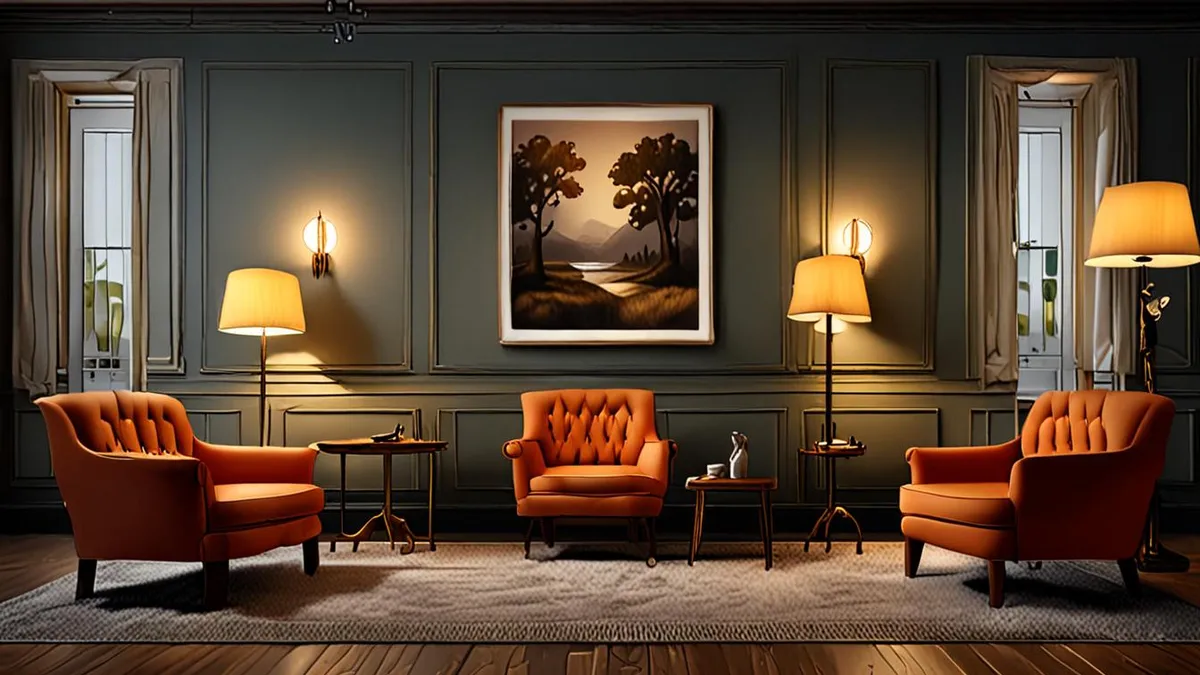
Design is where boutique hotels earn their keep. Many occupy historic buildings that are 50-150 years old, restored with original features intact: exposed brick, wooden beams, tiled floors or old stone staircases. The building itself becomes part of the experience, something no newly built tower can replicate.
Interiors with a point of view
Inside, you’ll rarely find catalog furnishings. Boutique interiors lean on local materials, regional art and custom furniture, often commissioned from makers in the area. The result is a space that feels specific to its city rather than interchangeable with a hotel anywhere else in the world.
Common spaces built for lingering
Shared areas get just as much attention as the rooms. Rooftop terraces, libraries, courtyards and bars are designed as social hubs, places where guests actually spend time instead of passing through on the way to the elevator. In many properties, the bar or courtyard doubles as a gathering spot for locals too, which keeps the atmosphere from feeling sealed off.
With room counts under 50, the scale changes the feel as well. Corridors stay quieter, hallways resemble a private residence more than a hotel, and the whole property settles into a home-like rhythm that large properties struggle to imitate.
Amenities and Service: What You Get and What You Don’t
The heart of most boutique hotels is a restaurant or bar that often doubles as a neighborhood hangout. Locals drop in for dinner or drinks, which keeps the energy high and gives you an easy way to meet people from the area. A curated lounge usually sits nearby, stocked with books, board games or a self-serve coffee station, and it works as your living room for the length of your stay.
Here is the trade-off: most urban boutique properties skip the big-box facilities entirely. You will rarely find a full-size pool, a large gym, a spa or conference rooms, simply because a building with a few dozen rooms cannot absorb the space those amenities demand. If a workout or a swim is non-negotiable for you, ask the hotel whether it has a partnership with a nearby gym before you book.
What you lose in facilities, you gain in people. Staff-to-guest ratios at boutique hotels commonly run 1.5-2 times higher than at mid-range chain hotels, which is why concierge-style help feels personal rather than scripted. The person at the desk can usually tell you which taqueria is actually good and how early you should leave for the airport.
Small extras add up, too. Typical perks include:
- Locally sourced breakfast, often a short menu of regional dishes or pastries from a nearby bakery rather than a buffet with heat lamps.
- Free espresso throughout the day, usually from a proper machine in the lounge instead of a sad in-room coffee maker.
- Curated city guides, sometimes handwritten by the owners, pointing you to the bars, galleries and bookshops they actually use.
- Flexible check-in, since small teams can often accommodate early arrivals or late-night arrivals when you ask ahead. For the details on timing, see this guide to hotel check-in times and how to check in early.
What a Boutique Hotel Costs and When to Book
Boutique hotels charge for character. As a rule of thumb, budget a premium of roughly 10-30% over a comparable chain hotel in the same neighborhood. You are paying for fewer rooms, more staff per guest and design work that a catalog cannot replicate, so the markup makes sense once you see it in person.
What you can expect to pay
In high season, city boutique rates often range from $150-350 per night, depending on the city and the property’s reputation. Travel in low season and prices can drop 20-40%, which is often the smartest way to experience a top property at a mid-range price. Weekend rates in popular neighborhoods can still climb, so compare a Tuesday against a Saturday before you commit.
Timing your booking
For high-season stays in cities, book 2-3 months ahead to get a reasonable choice of rooms. Tiny properties with under 20 rooms fill even faster, so push that window to 4-6 months ahead. Inventory is the key issue: a hotel with a dozen rooms can sell out its best suites for an entire festival week in a matter of days. Prices spike quickly around holidays and local events, so start watching rates early and book the moment you see something in your range.
Where to Find the Best Boutique Hotel for Your Trip
The best boutique hotels live where the buildings suit them. Historic centers and artsy neighborhoods are the natural hunting grounds, because old townhouses, warehouses and mansions convert beautifully into small design hotels. Many of the most characterful properties sit in buildings that are decades, sometimes a century or more, old, and that history shows in the floor plans, the staircases and the odd, charming room shapes you would never find in a purpose-built hotel. A 1960s airport hotel almost never becomes a memorable boutique property, so let the neighborhood lead your search rather than the deal price.
In big Latin American cities, boutique properties cluster in walkable districts rather than around business districts. Mexico City is the classic example: Roma and Condesa hold a dense concentration of independent, design-led hotels within a few blocks of each other, all surrounded by cafes, galleries and tree-lined streets you can wander at night. Staying there means you can walk to dinner instead of taking a taxi across town. If you are planning a trip there, this Mexico City hotel guide by neighborhood breaks down where each district makes sense.
Booking sites help, but only if you use them carefully. The “boutique” label is unregulated, so a little filtering and skepticism goes a long way:
- Filter by “design” or “boutique” rather than star rating, then open each listing and check the room count, because some large chain properties use the boutique label as marketing.
- Scan reviews for words like “personal”, “quirky” or “owner-run”, which usually signal a genuinely independent hotel rather than a rebranded franchise.
- Look at the photos of common spaces, not just the rooms: a real boutique hotel will show a lounge, courtyard or terrace that feels like part of the neighborhood.
- Check whether the restaurant or bar is open to non-guests, since a bar full of locals is one of the most reliable signs of a hotel with real character.
Finally, remember that small properties have small inventory. Once you have found a place you like in the right neighborhood, check availability early rather than waiting for a last-minute discount, because a hotel with a handful of rooms can fill up quickly in busy periods.
Is a Boutique Hotel Right for You?
So what actually separates a boutique hotel from the ordinary listings you scroll past? The short answer: size and personality. A boutique hotel typically has between 10 and 100 rooms, is independently run or part of a small local brand, and puts design and character first. Instead of a predictable chain template, you get spaces with a real point of view, often inside historic buildings.
The trade-offs are just as clear. That character usually comes at a cost, with nightly rates often running 10-30% above a comparable chain hotel nearby, and most boutique properties skip pools, gyms and conference centers in favor of a good restaurant, bar and lounge. In return, you get atmosphere and personal service from staff who genuinely know the neighborhood. For the best picks, book 2-3 months ahead for high-season city stays and target historic or artsy districts. If a boutique stay sounds like your kind of trip, leave a comment or share this article with a fellow traveler.