You’ve settled on a nature-based trip, but one question keeps coming back: should you book a lodge or a glamping tent? The lodge vs glamping tent decision trips up a lot of travelers, because both promise fresh air and beautiful surroundings while delivering very different experiences. One gives you solid walls and a hot shower steps from your bed; the other puts canvas between you and the stars.
This guide breaks the choice down into the details that actually matter. We’ll compare the core differences between the two, look at comfort and facilities side by side, and unpack what each option really costs per night. Then we’ll cover when each works best through the seasons, how to match your choice to your trip style and location, and how to book each one without surprises. By the end, you should know exactly which option fits your group, your budget and the kind of mornings you want to wake up to.
Lodge vs Glamping Tent: The Core Differences
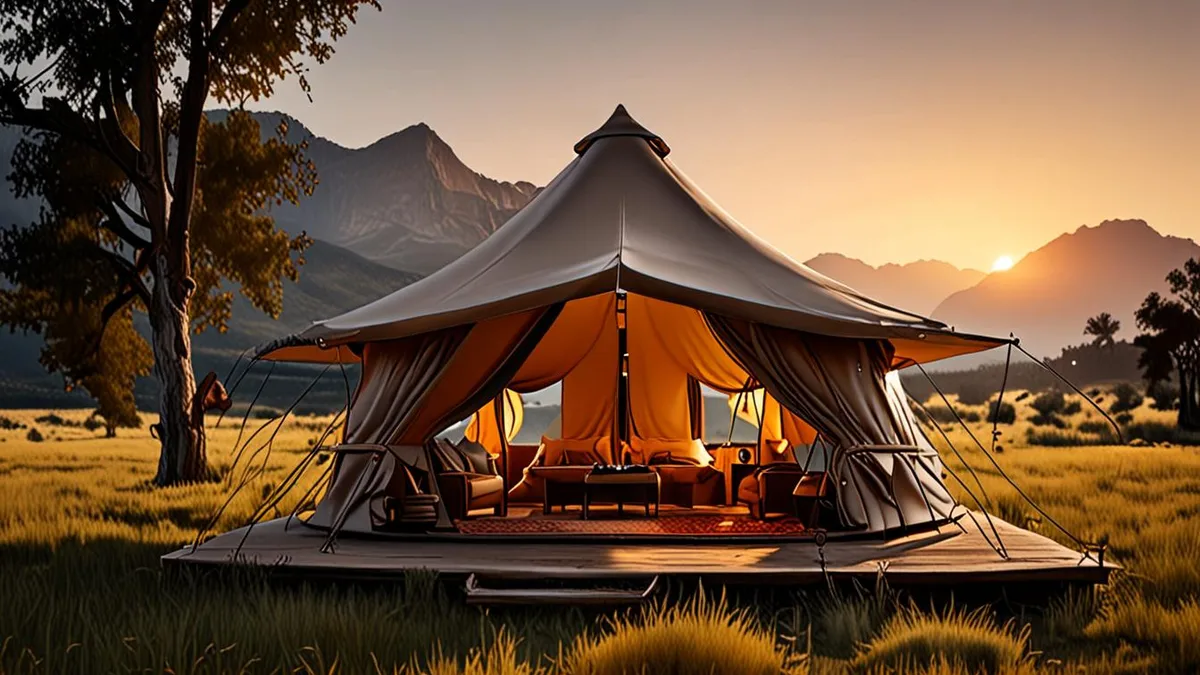
The biggest difference comes down to structure. A lodge is a permanent building with solid walls, insulation, heating and usually a private bathroom, so it behaves like a normal home no matter what the weather does outside. A glamping tent is a semi-permanent canvas structure, often raised on a platform, furnished with real beds and decor but still fundamentally a tent.
That canvas is what creates the closer-to-nature feel glamping is known for. You’ll hear rain on the roof, feel temperature shifts overnight and notice every gust of wind. Some travelers love exactly this; others find it keeps them awake. The choice between the two really starts with weather exposure: canvas reacts to wind, rain and temperature swings far more than a building ever will.
Season length matters more than you think
Glamping typically runs from May to September in temperate climates. Operators take tents down or pause bookings once nights turn cold, because canvas simply isn’t built for winter conditions. Lodges, on the other hand, operate year-round, which makes them the default choice for any trip outside the warm months.
So before comparing prices or photos, check the calendar for your travel dates. If you’re traveling in October through April, the decision may already be made for you.
Comfort and Facilities Compared
Inside a lodge, you’ll usually find what you’d expect from a small home: a private bathroom, a full kitchen or at least a kitchenette, and heating you can count on regardless of the forecast. Glamping tents vary much more. Many rely on shared bathroom blocks a short walk away, though some luxury tents add en-suite bathrooms and a wood stove for chilly evenings.
Sound and light behave differently too. A lodge blocks out weather and neighbors, so a storm or a loud family next door stays outside. A tent lets the world in: wind in the trees, birdsong at dawn and the footsteps of fellow campers. That’s part of the charm for some travelers and part of the problem for light sleepers.
- Space per person: family lodges commonly sleep 4-8 people across multiple bedrooms, while most glamping tents sleep 2-4, so a group of six may need to book two or even three tents.
- Morning routines: in a lodge, everyone can shower in their own bathroom; in a tent site, expect queues at the shared block during busy breakfast hours.
- Cooking: a lodge kitchenette lets you prep full meals, whereas many glamping setups limit you to a campfire grill or a small communal kitchen, so plan simpler menus.
- Packing: en-suite tents and wood stoves usually mean bedding and towels are provided, but basic tent sites sometimes ask you to bring sleeping bags or extra layers.
If your group is larger than four, or you simply want hot showers and home cooking without a walk in the dark, a lodge will fit more naturally. For a couple who values atmosphere over amenities, a well-equipped tent can feel just as comfortable.
Price: What Each Option Really Costs
On price, the two options overlap more than most travelers expect. Glamping tents typically run $100-$300 per night, depending on the setup and location. A simple tent on a basic site sits at the low end, while a large furnished tent with a wood stove and views pushes toward the top.
Lodges range from about $120 to $400+ per night, with remote luxury lodges at the top of the range. That means a basic lodge and a premium tent can cost roughly the same, which is why it pays to compare what’s actually included rather than the headline rate. If you want to see how lodge pricing plays out in a specific region, this price guide to lodges in Scandinavia gives a useful real-world picture.
What’s included in the base rate
Glamping rates often bundle in extras that lodges charge separately for: firewood, breakfast baskets or even activity rentals like kayaks or bikes. Ask before you book, because these inclusions can quietly swing the value equation in the tent’s favor.
Lodges cost more in high season, but they offer better value per person for larger groups. A lodge sleeping six at a higher nightly rate can work out cheaper per head than booking three tents, and you get the kitchen and private bathrooms thrown in.
Season and Weather: When Each Option Works
Glamping is best from May to September in temperate regions, when nights stay mild and canvas dries out quickly after morning dew. Outside that window, a tent becomes a test of endurance rather than a treat. Shoulder months can still look tempting on a booking site, but spring and fall nights in canvas regularly drop cold enough that you will wear your jacket to bed.
Lodges are the clear pick for winter stays. Solid walls, insulation and proper heating mean a snowstorm outside is scenery rather than a problem, and you can dry wet gloves and boots overnight instead of packing them damp into a duffel. If you are planning a cold-season mountain trip, it helps to read up on how to choose a lodge for a winter mountain stay before you commit.
Rain also tilts the decision toward buildings. A long wet stretch turns tent holidays into a logistics exercise: canvas that never quite dries, walkways that become mud, and gear that smells of damp by day three. A lodge simply shrugs off the same weather. There is a budget angle here too, because shoulder-season lodge stays often come with lower rates than summer peaks, so you can trade a little warmth for real savings.
- Condensation is a tent issue: canvas and mesh panels trap moisture from breathers and wet clothes, so expect damp bedding edges in humid spells even without rain.
- Wind changes how a tent feels: gusts snap and billow canvas all night, while a lodge guest may only hear muffled rain on the roof.
- Heating types differ: wood stoves in glamping tents need reloading during the night, while lodge heating typically runs unattended.
- Shoulder-season lodge perks go beyond price: quieter common areas, easier parking and more attentive staff are common when summer crowds thin out.
Location and Trip Style Match
Glamping sites usually sit close to nature, often 10-30 minutes from trailheads, which makes them a natural fit for hiking-focused trips. You wake up, lace your boots, and you are on the path before the crowds arrive. Many sites also sit nearer towns and paved roads than remote lodges do, so a dinner out or a grocery run stays an easy errand rather than an expedition.
Lodges, on the other hand, shine as base camps for bigger plans. Multi-day itineraries, remote wilderness areas and winter mountain stays all favor a building with storage, cooking space and room to spread out maps and gear. If a remote wilderness base camp is the goal, it is worth browsing options like Jasper wilderness lodges to see how location and access shape the trip.
Match the stay to the trip length
As a rule of thumb, choose a tent for short 1-3 night escapes, when you want maximum nature and minimum setup. Choose a lodge for week-long stays, especially if you need to work during the day or cook real meals in the evening. A reliable Wi-Fi signal, a desk and a full kitchen turn a lodge into a liveable home base in a way a tent rarely can.
Factor in the journey itself
Remote lodges may require long drives, shuttle transfers or even small aircraft, which adds time and cost to every arrival and departure. Glamping sites are often reachable in a regular car on ordinary roads. If your trip is short, spending half of it on a transfer road can outweigh the appeal of a deeper wilderness location.
How to Book Each Option
Both options sell out, but they sell out differently: small glamping sites often have only a handful of tents, while popular lodges have more rooms yet draw far more demand in high season. That means the two markets fill on different timelines, and treating them the same way is how travelers end up without a bed. Timing your booking matters as much as picking the right property, because the unit you actually want is rarely the one still available a week before departure. Here is a practical sequence to follow.
- Set your dates before browsing. Peak summer weekends and holiday periods drive both markets, and flexible midweek dates often open up availability that weekend searches never show.
- Book glamping 2-3 months ahead for peak summer weekends. Small sites with a handful of tents sell out fast, and the most scenic units, like those facing a lake or ridge, go first.
- Book lodges 3-6 months ahead for high season. This is especially true in popular national park regions, where the best-located lodges fill their summer calendar early.
- Read the cancellation terms carefully. Glamping operators often have stricter weather-related policies, so know what happens if a storm or cold snap ruins your dates.
- Confirm exactly what is included. Heating, bedding, bathroom access and cooking facilities vary widely between tent sites, and a tent without a stove or linens changes the packing list completely.
- Ask about extras before paying. Firewood, breakfast baskets and activity rentals are sometimes bundled into the base rate, sometimes not, and it is cheaper to know in advance.
One last habit worth keeping: screenshot or save the confirmation message listing what your unit includes. If a dispute arises over heating or bathroom access, that record settles it faster than memory ever will. It also helps to reconfirm arrival logistics a few days out, since some remote lodges and tent sites have limited reception and specific check-in windows. And if your dates are flexible, a polite email asking about cancellations or shoulder-season openings can occasionally turn up a spot that never appeared online, especially at smaller properties that manage their calendars by hand.
The Bottom Line
So which one suits your style of trip? If you want solid walls, reliable heating and space for the whole family, a lodge is the safer bet. It handles winter, wet weather and longer stays far better than canvas ever will.
If your priority is falling asleep to the sound of wind in the trees and waking up closer to nature, a glamping tent delivers exactly that, often at a friendlier entry price. The smartest move is to match your choice to the season, your group size and how long you plan to stay, rather than letting price alone decide. Whichever way you lean, we’d love to hear about your pick in the comments, or share this article with a travel partner who’s still on the fence.