Many travelers book the first cheap room they find, then either overspend on a hotel they barely use or lose sleep in a hostel dorm they never should have chosen. The hotels vs hostels decision is not about which is better in general, but which one fits your specific trip, companions and budget.
This guide breaks the choice down step by step. We start with the core differences between the two, then compare what you actually pay per night once extras are included. From there, we look at comfort and sleep quality, the social side of each option, and the practical details like safety, facilities and checkout times. Finally, we match each stay type to common trip styles, from solo backpacking to family vacations, and show how mixing both can give you the best balance of cost and comfort. By the end, you should know exactly which option suits your next trip.
Hotels vs Hostels: The Core Differences at a Glance
The basic product is different. A hotel sells you a private room with an en-suite bathroom, daily housekeeping and a front desk you can call at any hour. A hostel sells you a single bed in a shared dorm, with bathrooms, kitchens and lounges used by everyone in the building. Many hostels also offer private rooms these days, so the line between the two is blurrier than it used to be.
What you get for your money
Price is the clearest difference. Dorm beds typically run $10-40 per night in most destinations, while budget hotel rooms average $50-120 per night for a private room. That gap is why hostels dominate in backpacker hotspots and why hotels dominate business districts.
The real trade-off is not just money, though. You are trading privacy and service for a lower price and a built-in social atmosphere. In a hotel, the room is yours and staff handle the details. In a hostel, you share space with strangers but gain a communal kitchen, shared plans and company from the moment you check in. Neither is objectively better; the right choice depends on what you value most on this particular trip.
Price Comparison: What You Actually Pay Per Night
The sticker price only tells part of the story. A $30 dorm bed looks far cheaper than a $90 hotel room, but if two travelers split that hotel room, each pays $45 for a private space. Suddenly the gap is small, and for couples or friends the hotel can even win on a per-person basis. Always do this per-person math before booking.
Private hostel rooms deserve a closer look too. They often cost 30-50% less than comparable budget hotels, which makes them a smart middle ground when you want a door that closes without paying full hotel rates. Check what is included before comparing totals, because a slightly higher nightly price with breakfast and kitchen access can beat a cheaper room where everything costs extra.
- Breakfast: many hotels charge for it separately, while some hostels include a simple continental breakfast or at least coffee and toast in the morning.
- Parking: city hotels often charge a daily fee for parking, while hostels in the same area may offer free or cheaper street and lot options nearby.
- Kitchen access: hostels usually include a guest kitchen, so cooking a few dinners can offset a higher nightly rate compared with a hotel where you eat every meal out.
- Taxes and fees: city taxes, booking fees and linen or key deposits can shift the final total either way, so compare the full price at checkout, not the headline rate.
Timing matters as well. In high season, book hostels 2-4 weeks ahead to lock in lower dorm rates, since the cheapest beds in well-reviewed hostels tend to sell out first. Hotels usually have more room to maneuver on price closer to the date, but last-minute deals are never guaranteed.
Comfort, Privacy and Sleep Quality
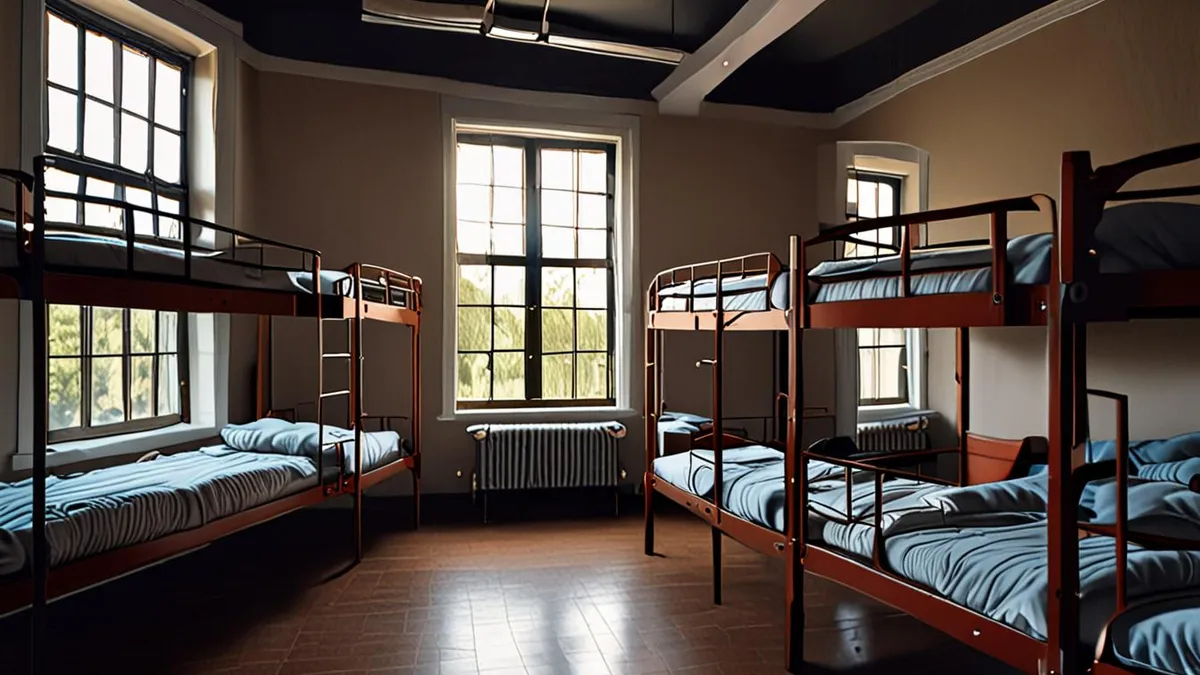
Sleep is where the two options diverge most. A hostel dorm typically holds 4-12 beds, which means you share the room’s lighting, temperature and sound with everyone in it. Expect late arrivals fumbling with lockers, early departures packing bags and someone, somewhere, snoring. Good hostels manage this well, but you are still sleeping in a shared space.
A hotel room gives you the opposite experience: a private bathroom, daily housekeeping, and full control over the temperature, lights and door. Nobody else decides when the room goes dark or quiet. For many travelers, that control alone justifies the higher nightly rate.
Choosing a dorm that respects your sleep
Not all dorms are equal. When comparing hostels, look for beds with privacy curtains, individual reading lights and a locker for each guest. Curtains block hallway light and give you a sense of your own space, while personal lights mean you can read without waking the room. Lockers, ideally big enough for a full backpack, also let you sleep easier about your belongings.
If you are a light sleeper, or traveling as a couple, a private room usually leads to better rest, whether that room is in a hotel or a hostel. Couples in particular should think hard before booking two dorm beds, since most hostels place guests in mixed rooms by bed rather than by pair. Paying a little more for a door that closes often buys the trip’s most valuable currency: a full night of sleep.
Social Life and Meeting Other Travelers
If meeting people is part of why you travel, hostels are hard to beat. Most hostels are built around shared spaces: communal kitchens where everyone cooks dinner at the same time, common rooms with board games, and organized activities like walking tours, game nights and bar crawls. You can arrive knowing nobody and end up with a group for dinner by the evening.
Solo travelers in particular often choose hostels for exactly this reason. The company is built in, and it is easy to find someone heading to the same museum, viewpoint or day trip you had planned. Sharing a taxi or a guided tour also cuts costs, which makes the social side practical as well as fun.
When a hotel makes more sense socially
Hotels suit a different kind of traveler. If you want quiet evenings, a calm breakfast, or you are already traveling with your own partner, friends or family, you may have little need for organized socializing. A hotel gives you a private base and lets you decide when and whether to interact with anyone.
There is also a middle path. Some boutique hostels offer private rooms with full access to the shared kitchen, lounge and events. You get a door that closes and a proper night’s sleep, but you can still join the communal dinner or the walking tour whenever you feel like company. For many travelers, that combination delivers the best of both worlds without forcing a choice.
Safety, Facilities and Practical Differences
Safety is a fair concern when you are sharing a room with strangers, and the good news is that most hostels take it seriously. The basics to look for are lockers for each bed, key-card access to dorms and floors, and female-only dorm options if that makes you more comfortable. Read recent reviews and check whether the hostel has a 24-hour reception or at least secure entry after hours.
Facilities differ in a predictable pattern. Hostels usually offer guest kitchens and laundry facilities, which let you cook your own meals and pack lighter. Hotels more often offer room service, gyms and sometimes pools or restaurants, along with daily housekeeping that keeps your room fresh without you lifting a finger.
Practical details worth checking before you book
A few small logistical differences catch travelers off guard. Hostel checkout is often earlier than hotel checkout, and common areas may only be cleaned every 1-2 days, so expect a more lived-in feel than a hotel lobby. If you are arriving on an early flight or want a late exit, it pays to plan ahead — you can read more about how hotel check-in times work and how to check in early before your trip.
- Luggage storage: many hostels let you leave bags before check-in or after checkout, which is handy when you have an evening bus or flight.
- Kitchen etiquette: shared kitchens mean labeling your food, cleaning as you go and accepting that a pan may be in use when you want it.
- Noise policies: some hostels enforce quiet hours in dorms, while others accept a livelier atmosphere — reviews will tell you which type you are booking.
- Bathroom queues: in busy hostels, one bathroom block may serve an entire floor, so allow extra time in your morning routine.
Which One Fits Your Trip Type
The right accommodation often depends less on the property and more on the trip itself. If you are backpacking or traveling solo on a tight budget, a dorm bed will stretch your money far further than any private room. Every dollar saved on sleep is a dollar available for another bus ticket, meal or activity.
Families and business travelers have different priorities. A budget hotel room buys space, privacy and reliability — everyone gets a proper bed, the bathroom is yours alone, and daily housekeeping keeps things tidy. For work trips in particular, a quiet room and dependable Wi-Fi usually justify the extra cost. If you are planning a trip with kids, our guide on how to choose a hotel for a family vacation covers the details that matter most.
Trip length and destination matter too
Short city breaks of a night or two work well in hotels. You will not be around long enough to use a kitchen, and after a day of sightseeing a private room to collapse into feels worth it. On longer trips, those nightly savings add up fast, and hostels let your budget last weeks instead of days. If you do go the hostel route on a popular route in peak season, booking a few weeks ahead helps you lock in the better dorm rates.
Adventure and nature destinations offer a third option worth considering: homestays. These often sit somewhere between the two in price, while giving you local home-cooked meals, a family’s knowledge of the area, and a more personal experience than either a dorm or a standard hotel room. In rural areas where big hotels are scarce, a homestay may also be the most practical choice available.
Making the Right Choice for Your Budget
So, which one suits your trip and budget? Hostels win on price and social energy, while hotels win on privacy, comfort and service. A dorm bed can cost a fraction of a private room, but you trade away quiet nights and personal space to get that saving.
The right pick comes down to trip length, travel companions and how much you value sleep. A solo backpacker and a family on vacation will rarely want the same bed. Think about what matters most on this specific trip: if rest is your priority, lean toward a private room; if your days are packed with activities and you just need a base, a hostel dorm makes sense.
And remember, you don’t have to choose just one. Many travelers sleep in hostels on the road, then treat themselves to a hotel for the final nights before flying home. Mixing both stay types across a single trip lets you stretch your budget without sacrificing every comfort. If this helped you decide, leave a comment or share this article with a fellow traveler.