Your flight leaves at 9 p.m., but your hotel room has to be emptied by 11 a.m. That leaves ten hours of dragging a suitcase around a lobby, a café, or worse, a train station locker. A late hotel checkout can turn that awkward gap day into a few more hours of sightseeing, a proper shower, or simply a quiet room to rest in before you head to the airport.
The good news is that late checkout is often easier to get than most travelers think, and even when it is refused, there are solid workarounds. This guide covers why that extra time matters, how and when to ask for it, what it typically costs, and the alternatives that work when the front desk says no. You will also find booking strategies that improve your odds before you even arrive, plus etiquette tips so your request goes smoothly, and a short wrap-up to help you plan your final day.
Why Late Hotel Checkout Matters
Most hotels set checkout between 11 a.m. and noon, and that timing almost never lines up with real travel plans. Evening flights and night trains leave you with a long stretch of day after you have officially handed back your room key. The result is a strange limbo: you are no longer a guest, but you are not on your way home yet either.
The hidden cost of a gap day
Once you check out, every hour you spend in the city comes with your luggage in tow. Dragging a suitcase along a waterfront or through a museum is nobody’s idea of a good last day. Some travelers pay for storage at a station or a third-party service, which adds cost and another stop to your itinerary. Others simply sit in the lobby for hours, watching the clock.
Late checkout changes the entire shape of that day. With a room until mid-afternoon, you can swim in the morning, have a long lunch, shower and change before traveling, and still get a few relaxed hours of sightseeing in. Instead of a stressful day of logistics, your last day becomes a genuine part of the trip. That is why it is worth putting a little effort into requesting it, which is exactly what the next sections cover.
How to Ask for Late Hotel Checkout
Getting a late checkout is mostly about timing and how you make the request. Ask too late and the answer is usually no, simply because the room may already be promised to someone arriving that afternoon. Front desk staff deal with a steady stream of requests on checkout morning, and they tend to favor guests who made their ask days earlier. If you want a head start on how hotel timing works in general, this guide to hotel check-in times and early check-in covers the other side of the equation.
- Ask early, ideally 24 to 48 hours ahead. The best moment is at check-in when you arrive, or at latest the night before departure. Requests made on checkout morning are competing with housekeeping schedules and arriving guests, so approval odds drop sharply. Mentioning your request at check-in also gives staff time to note it on your reservation.
- Give a specific time. Say “I’d like to check out at 2 p.m.” rather than “can I check out late?” A concrete departure time lets the front desk check the actual occupancy of your room type instead of guessing. It also shows you have a real reason, like a flight or train, rather than just wanting to linger.
- Ask politely at the front desk or in the hotel app. Both channels work, but a friendly, specific request in person often gets more flexibility. If the app or chat offers late checkout as an option, use it and note your flight time so the request is documented.
- Mention loyalty status or a special occasion. Elite tiers of major hotel loyalty programs often include free late checkout, frequently up to 2 p.m. or 4 p.m. A honeymoon or anniversary is also a reasonable thing to mention, and it sometimes tips the decision your way.
- If refused, ask to be waitlisted. Occupancy can shift overnight with cancellations and no-shows, so a polite “please add me to the list” often turns into an approved extension the next morning. Check back at breakfast to see if your spot has come up.
One last habit worth building: confirm whatever you are granted before you leave the desk. A verbal “we’ll see what we can do” is not the same as a confirmed time, and the difference matters on checkout day. Get the approved hour written on your key card receipt or in the app so there is no debate later, and you can plan your final morning around it with confidence.
What Late Checkout Costs
The cost of a late checkout varies enormously, and the first thing to know is that many requests cost nothing at all. When a hotel has plenty of empty rooms, front desk staff can usually extend your stay by an hour or two for free, especially if you asked in advance and asked nicely. This kind of informal extension is the most common outcome for travelers who simply need an extra hour to shower and pack.
When fees come into play
Once you want the room for a bigger chunk of the day, formal charges usually appear. Late checkout fees typically run from about $20 to $100, depending on the hotel level and how long you want to stay past the standard time. A budget property may charge a flat token fee, while an upscale hotel prices the extension by the hour or in blocks.
Staying until around 6 p.m. is a different category altogether. At that point you are effectively keeping the room for most of the day, and hotels often charge a half-day rate rather than an hourly fee. Before agreeing to that, compare it with the alternatives, since a day room or luggage storage plus lounge access can sometimes be cheaper.
Where you stay matters too. Resorts and properties running at high occupancy are the least likely to waive charges, because every room kept past noon is a room they could sell that same night. Business hotels on a quiet weekend, by contrast, often have rooms to spare and far more flexible policies. If the fee quoted seems high, it never hurts to ask whether a shorter extension is available at a lower price.
Alternatives When Late Checkout Is Refused
Getting turned down for a late checkout isn’t the end of the world. Most hotels have a backup system for guests in exactly your situation, and a little creativity can turn a checkout day into a comfortable final day. The key is knowing your options before you walk to the front desk empty-handed.
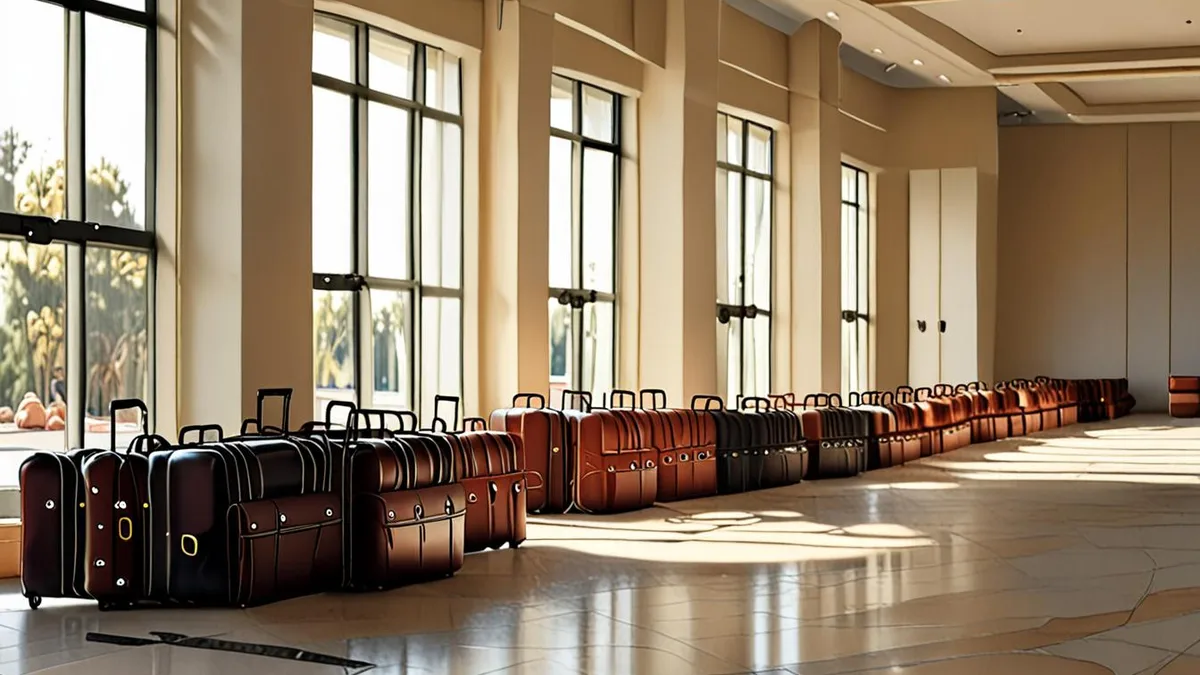
Your first and easiest move is luggage storage. Most hotels hold bags free of charge for several hours after checkout, either at the front desk or with the concierge. You’ll usually get a claim ticket, so keep it handy. This alone frees you up to walk around the city, grab lunch, or visit a museum without dragging a suitcase behind you.
If you want a private space rather than just storage, ask about a day room or hourly rate. Many hotels will sell you the room for part of the day at a reduced price, which gives you a bed, a bathroom, and a place to nap or repack your bags in peace.
- A spa or gym day pass often includes towels, showers, and changing rooms, so you can swim or work out and still leave fresh for an evening flight.
- Some airport lounges sell single-entry passes that bundle showers, food, and quiet seating, letting you handle the last few hours right at the terminal.
- Independent left-luggage services at stations and city centers charge by the bag and by the hour, a handy option if your hotel refuses storage or you’ve already left the property.
Booking Strategies That Make Late Checkout Easier
The easiest late checkout is the one you arrange before you ever arrive. A few smart booking decisions can noticeably improve your odds of keeping your room past the standard 11 a.m. to noon cutoff, and none of them cost anything extra.
Start with location and timing. Hotels in business districts are often nearly empty on weekends, since their regular guests are corporate travelers who leave on Friday. A downtown property on a Saturday or Sunday is far more likely to say yes than a beach resort packed for a holiday weekend. If your dates are flexible, aim for the emptier property.
Book direct and say so in writing
When you book directly with the hotel rather than through an online travel agency, add a note in the reservation comments mentioning your late departure time. Front desk staff see these notes before you arrive and can often flag your room for a late checkout in advance. It also opens a natural conversation at check-in: “I noted an evening flight in my booking, could we arrange something?” Direct bookings also give the hotel more room to be flexible, since they keep the full revenue and can make exceptions more easily.
Loyalty status is your strongest lever
Elite tier members of major hotel loyalty programs often receive late checkout as a written program benefit, frequently until mid-afternoon at no charge. If you travel even a few times a year, concentrating your stays with one chain can pay for itself in extensions alone. Finally, think about your last night: if your real departure falls on a Tuesday, book through Tuesday morning, not Monday. Checkout day should match your actual departure, not your arrival rhythm, so the extension you need is measured in hours rather than a full extra day.
Late Checkout Etiquette and Timing
A late checkout only works if both sides hold up their end. Once the front desk approves your extension, a few small habits protect you from confusion, awkward encounters with housekeeping, and surprise charges on your final bill.
First, get the exact time confirmed in writing. A printed receipt, an updated key card sleeve, or a message in the hotel app all work. A verbal “sure, take your time” means nothing at 2 p.m. when the front desk has changed shifts. Also understand what you actually booked: an approved extension covers your current stay only. Past roughly 6 p.m., hotels typically charge a full night rate, so don’t assume a few extra hours can quietly become another evening.
- Leave the room reasonably tidy, trash binned and towels gathered, and keep your belongings off the bed so housekeeping can turn it over quickly for the next guest.
- Set a phone alarm for your new checkout time, ideally 30 minutes before, so you have a buffer to shower and pack without rushing.
- If you were waitlisted rather than approved, call the front desk the next morning to check whether the room opened up before you make other plans.
One last tip: before you leave, glance at your folio or ask for a final bill to confirm the extension was logged as free or at the agreed fee. Catching a mistake at the desk takes a minute; disputing it after your card is charged takes weeks.
Wrapping Up Your Late Checkout Plan
So your flight leaves at night, but checkout is at 11 a.m. and you are facing hours with a suitcase in hand. The fix comes down to three things: give the hotel plenty of notice before checkout day rather than waiting until the morning itself; know that a formal late checkout typically costs somewhere between $20 and $100; and keep luggage storage at the front desk as your backup plan, since most hotels will hold bags free for several hours after checkout.
Your odds improve even more with loyalty status, which often brings a free extension until 2 p.m. or 4 p.m., and with direct bookings where you can note your late departure ahead of time. With a little planning, checkout day stops being a dead day and becomes a full final day of your trip. If this helped you out, leave a comment or share the article with a fellow traveler.