Scroll through any booking site and you’ll find hundreds of all-inclusive resorts in the Caribbean and Mexico, many with the same turquoise water, infinity pools and smiling stock photos. Yet two resorts that look identical online can differ sharply in price, in what’s actually included, and in atmosphere. One is a quiet couples-only hideaway, the other a lively family playground with a swim-up bar and a kids’ club until midnight.
The good news: choosing well comes down to a handful of practical decisions, not luck. In this guide, we’ll walk through how to set a realistic budget, pick the right season, check transfer times, match the resort style to your group, decode what’s really included, and book at the right moment. We’ll finish with a quick checklist you can use before you click reserve. Answer these questions in order and the overwhelming list of options shrinks to a shortlist you can actually compare.
Set Your Budget Before You Browse
The biggest mistake travelers make is browsing resorts before deciding what they can spend. Fix a per-person nightly range first, then filter. As a rough guide, Caribbean all-inclusive rates run from about $250 to $600 per person per night in high season, and that spread covers everything from solid mid-range properties to luxury resorts with butler service.
Look beyond the room rate
That nightly figure rarely covers the full cost of your trip. Flights, airport transfers and tips are usually separate, so add them to your total before comparing resorts. A resort that looks $50 cheaper per night can end up more expensive once you factor in a long transfer and a flight package that doesn’t include baggage.
You should also check how the resort handles premium drinks and specialty dining. If top-shelf spirits and reservation-only restaurants cost extra, budget for it: these inclusions can add $50-100 per person per day if charged separately. Some resorts are genuinely all-inclusive; others are closer to all-inclusive-with-asterisks. Knowing which one you’re booking makes your budget realistic instead of hopeful.
Pick the Right Season for Your All-Inclusive Resort
Timing changes your price more than almost any other decision. Peak Caribbean season runs from December through April, when the weather is at its driest and most reliable, and the rates reflect that demand. If you want dependable sunshine and don’t mind paying for it, this is the window. Because the best room categories sell out first, book 4-8 months ahead for peak season to lock in your preferred dates and the room type you actually want, rather than settling for whatever is left.
Shoulder season is where the value lives. In May-June and again from September through November, rates can drop 20-40% compared to peak winter prices, often at the very same resorts. Pools are quieter, staff are less stretched, and your budget stretches further, though you trade some certainty about the weather. Many repeat travelers deliberately plan around these months for exactly that reason.
- Shorter days, warmer nights: even in winter, Caribbean evenings stay warm enough for dinner on a terrace, so a December trip doesn’t mean packing heavy layers.
- Check the resort calendar: some properties schedule maintenance or restaurant closures during slower months, so ask what facilities will be open during your dates.
- Travel insurance matters most in fall: since hurricane season peaks in August-October, a policy with weather-related cancellation coverage is worth the cost for trips in that window.
Hurricane season runs June through November, with the highest risk from August to October. That doesn’t mean avoid these months entirely, but it does mean building in flexibility and considering travel insurance before you pay. If a storm does disrupt your plans, refundable rates and a good policy turn a stressful situation into a manageable one.
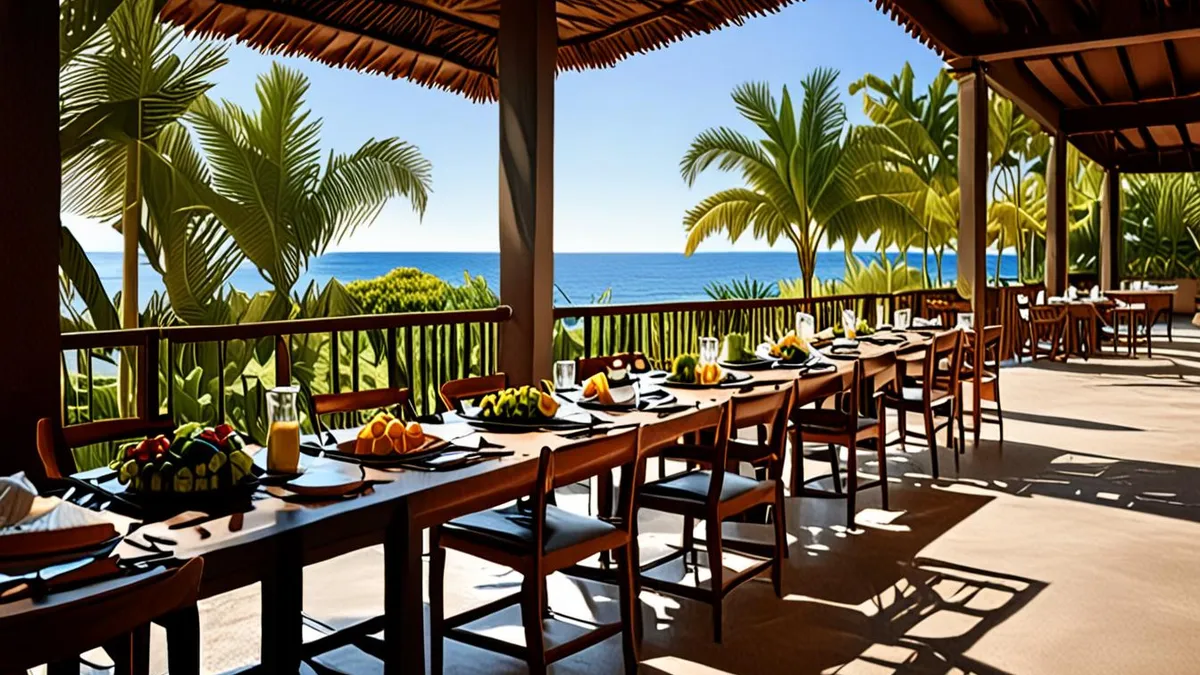
Choose a Location and Transfer Time That Fits Your Trip
A resort can be perfect on paper and still wrong for your trip if getting there eats half a day. Before you fall in love with a property, check the airport-to-resort transfer time. Thirty to ninety minutes is common in most destinations, but some resorts sit two or more hours from the airport, which matters a lot on arrival day, especially with kids or a late flight.
Hotel zone or secluded beach?
Next, decide what kind of surroundings you want. A lively hotel zone puts you near nightlife, shops and restaurants outside the resort, plus easy access to excursions. A secluded beach property offers quiet and scenery but can mean taxi rides and higher costs every time you leave. Neither is better; they simply suit different trips.
Finally, look closely at the beach itself, since you’ll likely spend most of your time there. Check whether the water is calm enough for swimming or known for waves and strong currents, and research the seaweed situation: some Caribbean and Mexican coastlines see seasonal seaweed buildup that can affect the shoreline for weeks. Resort photos show the beach at its best, so read recent guest reviews and check current conditions for your travel dates before booking.
Match the Resort Style to Your Travel Group
The fastest way to narrow your resort search is to match the property’s style to the people actually going. A resort that delights a honeymooning couple can bore a family with toddlers, and vice versa. Get this decision right early and everything else, from budget to dining, falls into place.
Couples-only resorts are built around romance: quiet pools, spa treatments and candlelit dinners, with no kids’ clubs or splash zones in sight. Family resorts take the opposite approach, offering supervised kids’ clubs, water parks and evening entertainment designed for all ages. Adults-only properties sit somewhere in between, trading family facilities for calmer pool decks and more ambitious dining programs.
Room type matters just as much as resort style. Standard rooms are usually the cheapest category, but swim-out rooms with direct pool access and ocean-view suites can cost 30-50% more. Decide before booking whether that upgrade is worth it for your group, or whether a standard room in a good location works just as well.
- Couples-only: ideal for honeymoons and anniversaries, and often stricter about the minimum age, so verify the policy before booking if you’re traveling with older teens.
- Family resorts: look for kids’ clubs divided by age group and check whether childcare is included or billed by the hour.
- Adults-only: expect quieter pools and more upscale restaurants, but fewer daytime activities if you like a full schedule.
- Room categories: swim-out rooms give you direct pool access from a private terrace, while ocean-view suites trade that convenience for the view at a similar premium.
Read the Fine Print on What’s Actually Included
Two resorts can advertise “all-inclusive” and deliver very different experiences. The label covers the basics at every property, but the details — which drinks, which restaurants, which activities — vary enormously. Before you book, dig into what the rate actually includes, because the fine print is where the real value lives.
Drinks and dining
Start with the bar menu. Some resorts include top-shelf spirits and imported wines, while others limit you to house brands and charge extra for anything better. The difference is noticeable if you have a favorite gin or whisky, so ask for the actual brand list before committing. On the dining side, count the specialty restaurants and check whether reservations are required or whether surcharges apply to certain venues. If premium drinks and specialty dining sit outside the package, those add-ons can quietly double your nightly spend and erase much of the value of booking all-inclusive in the first place. Ask specifically what “premium” means at that property — the answer varies more than you’d expect.
Activities and watersports
Next, verify what’s included beyond food and drink. Most all-inclusives offer free non-motorized watersports such as kayaking and snorkeling gear, but motorized options, off-site excursions and spa treatments almost always cost extra. Check the resort’s activity schedule too: some include daily fitness classes, tennis and evening shows, while others charge for equipment rentals that you’d expect to be covered. A quick email to the resort or a careful read of their inclusions page will save you from surprise charges on checkout day.
Book at the Right Time and Compare Total Prices
Once you’ve shortlisted a few resorts, timing your booking well can matter as much as choosing the right property. Peak season rooms, especially the most desirable categories like swim-out suites and oceanfront rooms, sell out early, and prices rarely improve as the date approaches. Waiting for a last-minute deal on a Caribbean all-inclusive is a gamble that usually goes the wrong way in high season. A simple, ordered approach keeps you from overpaying and helps you lock in the room you actually want rather than settling for what’s left.
- Book 4-8 months ahead for peak season travel. For December-April Caribbean trips, this window gives you the widest choice of room categories and the best rates before inventory tightens. If you’re eyeing a popular property over the winter holidays, earlier is even better.
- Check the minimum stay requirement. Many resorts require a 3-5 night minimum during high season, so confirm this before planning a short getaway, or your dates may not be bookable at all.
- Compare package prices against room-only rates. Price the flight and hotel separately, then price them as a bundle. Bundled packages can save 10-20%, but not always, so run both numbers before committing. Watch for resort credit promotions too, which can offset paid extras.
One last tip: once you have a total price, add in transfers, tips and any paid extras you expect, so you’re comparing true trip costs rather than headline rates. A slightly higher room rate with better inclusions often wins once everything is counted. Finally, read the cancellation terms before you pay, since policies vary widely between resorts and booking channels, and flexible rates can be worth a small premium if your plans might shift.
Your Quick Checklist for Choosing Well
Hundreds of all-inclusive resorts can look nearly identical online, yet they differ sharply in price, inclusions and atmosphere. The way through the overwhelm is simple: fix your budget, your season and your transfer time before you compare anything. Those three decisions eliminate most options in minutes and leave you with a short list worth studying.
From there, match the resort style and its inclusions to your group and priorities, whether that means a couples-only escape, a family property with a kids’ club, or an adults-only resort with quieter pools. When you’ve settled on a favorite, don’t sit on it too long: securing your reservation early in the planning cycle is what tends to protect both your rate and your preferred room category. Compare package pricing against room-only rates before you commit, too. Do that, and the choice stops feeling like a gamble. If this helped you plan your trip, leave a comment or share the article with a friend who’s browsing resorts too.