You know you want a nature-based stay, but you cannot tell whether a lodge or a cabin will actually suit your trip, budget and travel style. They both promise trees, trails and fresh air, yet they deliver very different experiences. One comes with staff, meals and a set schedule; the other hands you the keys and leaves you to it.
This lodge vs cabin guide breaks the choice down piece by piece. We compare what you actually get for your money, how nightly rates and hidden costs stack up, and which stay fits different trip types, from family getaways to remote hiking weeks. We also cover the best times to book and where each option shines, whether you are heading into dense forest, high mountains or lakeside country. By the end, you should know exactly which one to search for.
Lodge vs Cabin: The Core Differences at a Glance
The simplest way to understand the difference is to think of a lodge as a hotel in the wilderness and a cabin as a home you rent for a week. A lodge is a full-service property: it has staff on site, a restaurant, and hotel-style rooms or suites. You check in at a front desk, your room gets cleaned and dinner is a short walk away.
A cabin is a standalone self-catering unit, usually rented privately from an owner or a rental platform. It comes with a kitchen, and nobody cleans it during your stay unless you arrange it. You arrive, stock the fridge and run the place yourself.
Shared space versus total privacy
Lodges sit inside larger complexes with shared lounges, dining rooms and often fire pits or terraces where guests mingle. That social atmosphere is part of the appeal. Cabins offer total privacy: your nearest neighbors are the trees, and the deck, kitchen and fireplace are yours alone.
Service level is the real dividing line. Lodges include housekeeping and meals as part of the deal, while cabins include nothing but the space itself. If having your bed made and breakfast served matters to you, that alone can decide the lodge vs cabin question before you compare anything else.
Comfort and Amenities: What You Actually Get
Lodges typically include breakfast or even full board, daily housekeeping, Wi-Fi and concierge-style help with booking tours. You show up, and the staff handle the logistics: they can arrange a guided hike, a boat trip or a transfer from the nearest town. Rooms come with hotel-grade bedding and en-suite bathrooms, so the comfort level is close to what you would expect from a good hotel.
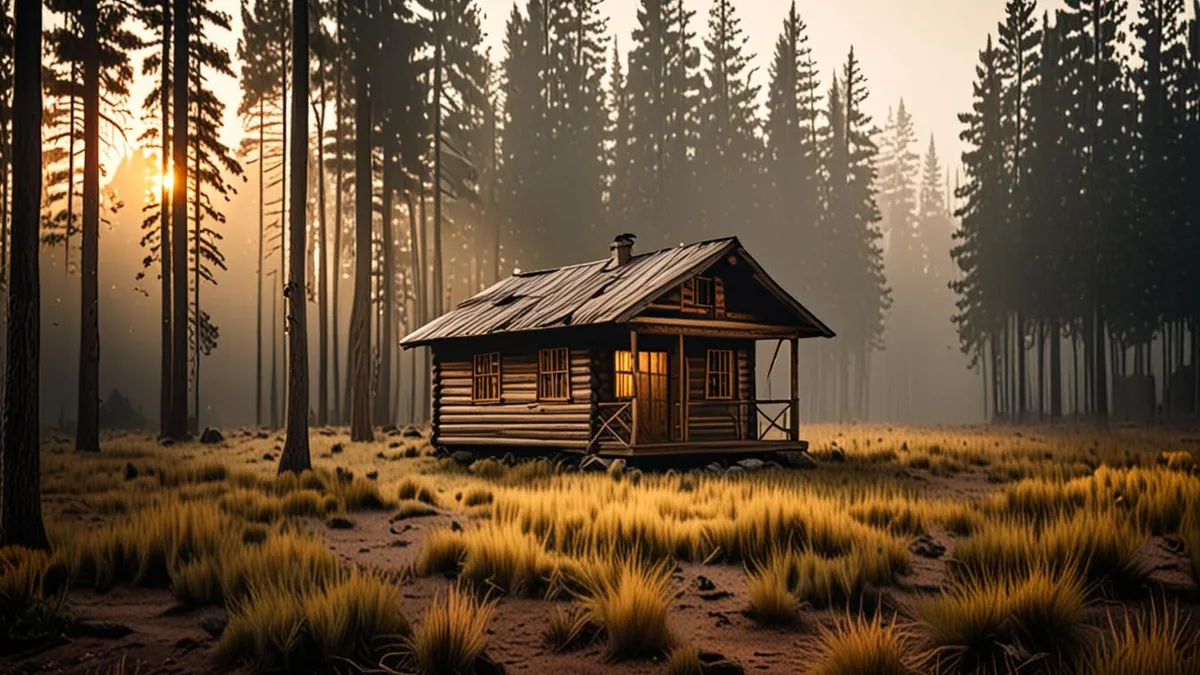
Cabins work differently. The typical cabin includes a full kitchen, a fireplace or wood stove, and outdoor space like a deck or fire pit. You cook your own meals, light your own fire and set your own schedule. Quality varies widely, from basic rustic structures to high-end luxury cabins with hot tubs and designer interiors, so read listings carefully.
- Guided activities: at a lodge, staff book guides, permits and equipment for you, which is a real advantage in unfamiliar terrain.
- Cooking freedom: a cabin kitchen lets you prepare proper meals, pack trail lunches and eat on your own clock instead of a dining room’s.
- Evening setup: many cabins include board games, a wood stove and a fire pit, which makes long evenings part of the experience rather than downtime.
- Work-friendly space: if you are on a writing or remote-work retreat, a cabin’s table, quiet and privacy beat a shared lodge lounge.
The choice comes down to how you want to spend your days. If you want guided activities arranged for you, a lodge does it. If you want to cook and set your own pace, a cabin does it.
Price Comparison: Nightly Rates and Hidden Costs
On nightly rates alone, cabins usually win. Cabins typically run $80-250 per night depending on size and location, while full-service lodges typically run $150-400 per night, with remote luxury lodges at the top of that range. A small forest cabin can cost less than half of a high-end lodge room.
Don’t forget the food costs
The nightly rate is not the whole story. A cabin means grocery costs: you shop, cook and pay for every meal yourself, plus any restaurant visits. A lodge rate often bundles meals, especially breakfast or full board, so the food you would have bought separately is already in the price. Compare the total cost of a week, not just the room.
Groups change the math
Cabins reward groups. Splitting a $200 cabin between four people works out to $50 per person, which beats four $180 lodge rooms many times over. A family or friend group sharing one cabin gets more space per dollar than anyone gets in separate lodge rooms. Solo travelers and couples, on the other hand, often find that a lodge room at the lower end of the price range costs about the same as a small cabin, with meals and housekeeping included.
Run the numbers for your own group size before booking. For two people, the difference is usually modest; for four or more, the cabin’s cost advantage grows fast.
Matching the Stay to Your Trip Type
The best choice often comes down to what kind of trip you are planning. Hikers and wilderness travelers tend to get more out of a lodge, especially when trail days run long. Coming back to a hot dinner, a stocked bar and someone who can point you toward tomorrow’s route beats cooking pasta in the dark. For a sense of how good this can get, look at the experience offered by wilderness lodges in the Canadian Rockies, where guided hikes and meals are part of the package.
Families usually swing the other way. A cabin gives you shared living space, a kitchen for picky eaters and early bedtimes, and enough room for kids to spread out without waking the whole room. Parents also appreciate being able to do laundry and prep lunches without leaving the unit.
Couples and solo writers lean toward cabins for the opposite reason: total seclusion. If your goal is quiet mornings, a wood stove and no one else in the building, a standalone cabin delivers. Social travelers, on the other hand, get real value from lodge common rooms, where it is easy to meet people over dinner or by the fire.
- First-time visitors: A lodge front desk can arrange airport transfers, local tours and permits you did not know you needed, which removes most of the planning risk in an unfamiliar region.
- Multigenerational groups: Cabins with two or three bedrooms let grandparents, parents and kids share one roof and one living room instead of scattering across separate hotel rooms.
- Working trips: A cabin desk with a view and no lobby noise suits remote work or a writing retreat, though always confirm the Wi-Fi situation before booking a rural property.
- Solo travelers who dislike eating alone: Lodge dining rooms provide built-in company, something a self-catering cabin cannot offer.
Seasons and Booking Lead Times
Timing matters more for these two stay types than for most hotels. In most northern destinations, June to September is peak season for both cabins and lodges. Expect the highest rates of the year and the thinnest availability, especially for waterfront cabins and all-inclusive lodges with limited room counts.
As a rule, book cabins two to three months ahead for summer dates. Lodges need a longer runway: aim for three to six months ahead, and earlier still for all-inclusive properties, which often have only a handful of rooms and fill up with returning guests.
Winter changes the picture
December to February flips the pattern. Remote cabins hit their low season, with some rural properties closing entirely or offering reduced service, so check access roads and whether the unit is winterized before committing. Lodges, meanwhile, enter their prime window: fireplace evenings, saunas and hot meals after a day in the snow are exactly what they are built for.
The shoulder-season sweet spot
If your dates are flexible, look at May and October. These shoulder months often cut rates by 20 to 30 percent compared with peak season, and availability is mostly open. Weather is less predictable, but trails are quieter and you can often book a standout cabin or lodge on a few weeks’ notice. Always confirm seasonal opening dates with the property directly, since some close entirely in spring or late fall.
Where Each Stay Shines: Forest, Mountain and Water Settings
Setting shapes which stay makes sense. Dense forest regions can support both: cabins dominate the secluded-woodland niche, where the whole point is silence and trees, while lodges anchor the resort-style forest areas with trail networks, restaurants and guided outings. For a closer look at the lodge side of that equation, see these forest lodges in the Ardennes, which pair woodland trails with full service.
High mountain and national-park settings lean toward lodges. Weather in the high country can turn fast, and having staff who know the conditions, can adjust plans and can arrange guided access to restricted areas is a genuine safety and convenience advantage. Lake and coastal settings favor cabins instead, where a private dock, a grill and a kitchen full of local catch make self-catering part of the appeal.
One practical check before you book any remote cabin: drive time. Some cabins sit 30 to 60 minutes from the nearest grocery store, which turns every forgotten item into a long round trip. Map the distance to trailheads and shops before you commit.
- Riverside and lakeside cabins: Look for listings that specify private water access, since a shared dock or a distant launch changes the morning routine considerably.
- National-park gateways: Lodges near park entrances often sell out far in advance, so confirm entry logistics and whether the lodge handles park permits for guided trips.
- Winter mountain stays: Ask whether the cabin road is plowed and whether you need snow chains or four-wheel drive, since some remote units are effectively unreachable after heavy snowfall.
- Forest cabins in hunting season: In some regions, autumn weeks bring hunters to public woodland, so hikers may want to check local season dates and wear visible colors on trails.
The Bottom Line for Your Trip
So, lodge or cabin? The answer comes down to what you want from your stay. Choose a lodge for service, meals and guided access; choose a cabin for privacy, kitchens and lower nightly rates. If you would rather show up, eat well and let staff handle the details, the lodge wins. If you want to cook your own breakfast, spread out with your group and enjoy total seclusion, the cabin is the better fit.
Budget-wise, expect $80-250 per night for a cabin and $150-400 for a lodge, and remember that lodges often bundle meals into that rate while cabins add grocery costs. Book earlier for lodges in peak season, since the most popular ones fill up months ahead. In the end, the right pick depends on your trip type, group size and how much self-catering you want to do. If this helped you decide, leave a comment or share the article with a travel buddy.