Patagonia looks compact on a map, but it is anything but. Roads are few, distances are huge, and a stretch of 200-300 km can easily swallow an entire travel day. Pick the wrong lodge area and you could spend half your trip in a bus instead of standing in front of a glacier or a granite spire.
That is why the question of where to stay in Patagonia matters more than which specific lodge you book. This guide compares the main base areas: El Calafate for glaciers, El Chaltén for trekking, the Torres del Paine area versus Puerto Natales, and Ushuaia for the far south. We also cover seasons, budgets and how far ahead to reserve, so you can match your base to the sights you actually came to see.
Why Your Lodge Base Matters More Than Your Lodge
Patagonia sprawls across both Chile and Argentina, and the road network is thin. Distances that look manageable on a map often involve gravel roads, border crossings and infrequent transport, so a 200-300 km journey can realistically take a full day. Add in the region’s famously changeable weather and you have a place where logistics shape the trip as much as the scenery does.
The main lodge clusters each serve a different highlight. Some put you close to the glaciers, others at the foot of trekking peaks, others on the shores of the great lakes or along the end-of-the-world coastline of Tierra del Fuego. No single base covers them all, and trying to see everything from one spot usually means long, tiring transfers.
Start with your sights, not your lodge
The practical way to choose is to work backwards. List the two or three sights you care about most, then find the area that puts you closest to them. Deciding what you want to see first determines which area to choose, not the other way around. A beautiful lodge in the wrong valley is still the wrong lodge.
El Calafate: the Glacier Gateway
El Calafate is the practical capital of Argentine Patagonia, and for good reason. It is the best base for day trips to Perito Moreno Glacier, one of the region’s most accessible and impressive sights, with viewing walkways and boat options that work well even for travelers who never lace up hiking boots. It also has the widest range of lodges and flights in the area, so you can match accommodation to almost any budget.
Comfort and connections
Calafate also works as the region’s transport hub. The road to El Chaltén runs about 220 km, roughly a 3-hour drive, which makes it easy to combine a glacier-focused stay with a trekking one. Many travelers fly into Calafate, spend a few nights there, then continue north to the mountains.
The trade-off is that Calafate itself is a town, not a trailhead. The main hiking is a few hours away, so this base suits travelers who want comfort, restaurants and shorter excursions rather than waking up at the foot of a peak. If your priority is an easy, well-serviced stay with the glacier as the centerpiece, Calafate is hard to beat.
El Chaltén: Trekking Right From Your Door
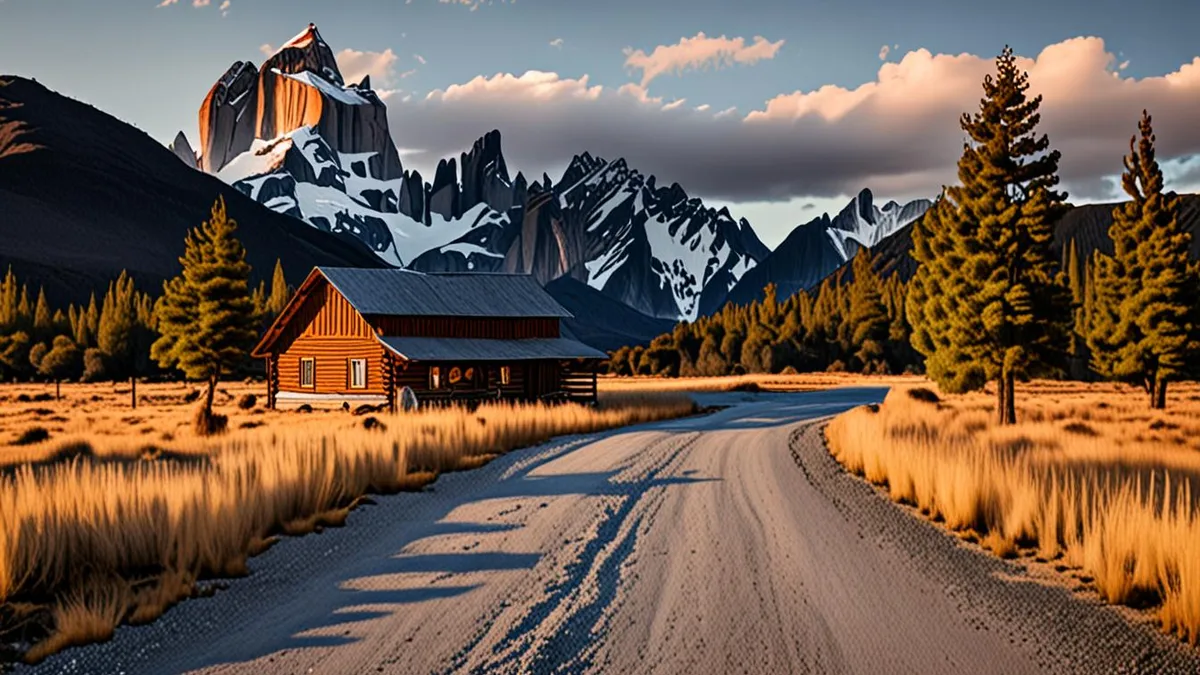
El Chaltén is Argentina’s trekking capital, and the name of the game here is access. The trails to Fitz Roy and Laguna de los Tres start right in town, which means you can step out of your lodge in the morning and be on the path within minutes. No shuttles, no transfers, no lost half-days. For serious hikers, that alone justifies choosing this village over a more comfortable base.
The flip side is that lodges here are simpler and smaller than what you find in Calafate, which sits about 220 km and roughly a 3-hour drive away. Expect cozy, functional places rather than full-service resorts, and expect the village to fill up fast in high season, when beds can be scarce and prices climb. Booking early matters even more here than in the bigger hubs.
This base works best for hikers planning a stay of 3-5 nights who care more about mountain views than amenities. If that sounds like you, it is worth browsing the options for El Chaltén hiking lodges early, because the best-located places go first. A few practical details can also shape which lodge you pick:
- Many lodges offer early breakfasts or packed lunches, a real advantage for the Laguna de los Tres trail, where starting at dawn often means clearer views before clouds build over the peaks.
- Several places have drying rooms for boots and gear, which matters more than it sounds after a day on wet, muddy trails.
- Lodges on the edge of town can give you unobstructed views of the Fitz Roy massif from your window, while central spots trade the view for walkability to restaurants.
Torres del Paine: Inside the Park vs. Puerto Natales
The biggest decision around Torres del Paine is not which lodge, but where. Staying inside the park puts you steps from the trailheads, so you can start hiking at dawn, watch the light change on the granite towers, and be back at your room before the afternoon wind picks up. The trade-off is price and availability: in-park lodges are among the most expensive beds in Patagonia, often running $400-1,200+ per night, and the best ones book out 6-12 months ahead for the high season from November to March. If you want an inside-the-park base, treat it as a priority booking rather than an afterthought.
Puerto Natales, the gateway town a couple of hours from the park entrance, is the practical alternative. Rooms there typically cost $150-350 per night, and the town has enough restaurants, gear shops and bakeries to make evenings pleasant after a long day on the trail. The cost is time: a day trip means a long drive each way, so plan full days, accept early departures and check current road conditions before setting out.
- If you are hiking the W Trek, staying inside the park (or at refugios along the route) lets you split it into manageable days instead of repeating the same approach drive each morning.
- Natales is the natural stop for travelers crossing over from El Calafate in Argentina, roughly 5 hours away by road including the border crossing, so you can arrive, sleep well and enter the park the next morning.
- Weather in the park changes fast; being based inside gives you flexibility to shift a hard hike to the best weather day, something day-trippers from town can rarely do.
- Shoulder months like October and April bring lower rates and thinner crowds, which softens the price gap between the two options if your dates are flexible.
Ushuaia and Tierra del Fuego: the Southern Edge
Ushuaia, the world’s southernmost city, is Patagonia’s other base and a completely different experience. It is the jumping-off point for Tierra del Fuego National Park, boat trips on the Beagle Channel among penguin colonies and sea lions, and most Antarctic expedition departures. If the end of the map appeals to you, this is where you feel it.
Plan It as a Separate Leg
Ushuaia is remote even by Patagonian standards. It sits roughly 3,000 km from the northern lake districts, and driving the full distance takes days on limited roads. Practically everyone arrives by plane, so treat Ushuaia as its own leg of the trip rather than a detour from the glaciers or the trekking hubs.
What the Hotels Are Like
Accommodation here is urban rather than wilderness: city hotels and small lodges near the harbor and center, not remote properties surrounded by trails. Most travelers are well served by 2-4 nights, enough time for the national park, a channel boat trip and a day of flexible weather planning. Check flight schedules early, as routes to Ushuaia typically connect through other Argentine cities and seats fill up in the southern summer.
Seasons, Budgets and Booking Windows
Patagonia rewards early planners. The same lodge can be booked solid, half the price, or blissfully quiet depending on when you go and when you reserve. Availability, not price, is usually the first constraint to bite, especially for small properties with a handful of rooms. Work through the steps below before you fall in love with any specific property, and treat them as a sequence rather than a checklist you can shuffle.
- Pick your season first. High season runs November to March, when the weather is most stable and everything is open. October and April bring fewer crowds and lower rates, with a real chance of wind and cold snaps, so pack accordingly. If your dates are flexible even by a week or two, the shoulder months can stretch the same budget noticeably further.
- Check how far ahead your dates demand. Summer stays around the most sought-after parks fill up far in advance, so once you know your travel window, confirm how early your target lodges open their calendars and set a reminder to book the day they do.
- Set a per-night budget and match it to the area. Mid-range lodges typically cost $150-350 per night, while luxury lodges in prime locations run $400-1,200+. In Puerto Natales or El Calafate your budget stretches further than inside the parks.
- Lock in domestic flights and road transfers after the lodges are confirmed, since small planes and shared shuttles also sell out in high season. Build a buffer day around long road legs so one delayed connection doesn’t unravel the whole itinerary.
One final habit that pays off: confirm current rates and cancellation terms directly when you book, since prices in Patagonia shift with the season and the exchange rate. Ask whether meals and transfers are included, as these add-ons change the real cost more than you might expect. A flexible rate is often worth a small premium if your travel dates might move, and it protects you when weather forces a change of plans.
Choosing Your Patagonia Base
Once you know roughly when you want to travel, let your dates do some of the choosing for you. High season runs November to March, and the most sought-after lodges in prime spots are often reserved 6-12 months ahead, especially near Torres del Paine. If your trip falls in December through February, treat booking as step one, not an afterthought.
Traveling in October or April changes the picture. You’ll find more availability, quieter trails and lower rates, which can make popular areas workable even on a shorter planning timeline. Weather is more variable in the shoulder months, so pack for a mix of conditions rather than reliable summer days.
A practical approach: shortlist two or three areas that fit your dates and travel style, check availability before committing to an itinerary, and stay flexible on which lodge you book within each area. The right base at the right time does more for your trip than any single splurge. If this helped you plan, share it with a fellow traveler.