Planning a lodge stay in Canada can feel confusing because the range is enormous. The same word “lodge” covers a rustic roadside cabin with a shared kitchen and a five-star wilderness resort where every meal, guide and canoe is included. A nightly rate that sounds like a bargain at one property could be wildly overpriced at another, so it’s hard to know what a fair price actually looks like before you commit.
This price guide breaks it down. We’ll walk through the three main price tiers, show how the region you choose changes the bill, and explain how the seasons push rates up or down. You’ll also learn what a room rate really includes, when to book for the best deals, and how to match your budget to the right style of lodge, from simple cabins to all-inclusive fly-in retreats. By the end, you’ll be able to judge any quoted rate with confidence.
What a Lodge Stay in Canada Costs by Price Tier
Canadian lodges fall into three broad price tiers, and knowing where a property sits on that scale is the fastest way to judge whether its rate is fair. The cheapest end and the most expensive end can differ by more than ten times per night, so comparing two lodges without first sorting them into tiers rarely tells you anything useful.
Budget and cabin-style lodges
At the bottom of the range, budget and cabin-style lodges run roughly CAD 100–180 per night for a double room. These are common in smaller towns and along roadside routes, where they cater to road-trippers and travelers who plan to self-cater or eat in local diners. Expect simple rooms, often with shared or basic kitchen facilities, and few if any organized activities. That’s not a downside if your days are spent hiking or driving; it simply means the lodge is a place to sleep rather than a destination in itself.
Mid-range and luxury lodges
Mid-range lodges sit at CAD 200–400 per night and are where most travelers land. At this level you frequently get breakfast included, plus access to extras like canoes, hiking trails or fire pits. Rooms are private and comfortable, and many properties are family-run, which shows in the service.
Luxury wilderness lodges start around CAD 600 per night and can exceed CAD 1,500, with meals and guided activities bundled into the rate. These are destination resorts in remote settings, where the price reflects not just the room but the full experience: chef-prepared dining, guided hikes, wildlife viewing and often boat or floatplane transfers. When you compare a luxury lodge to a budget cabin, remember you’re comparing two very different products, not just two prices.
How Region Changes the Price
Where you book matters almost as much as when. The same caliber of lodge can vary widely in price depending on the province or territory, mostly because of demand, access and how famous the surrounding scenery is.
The Rockies premium
Lodges in Banff and Jasper command the highest rates in the country, especially in summer, when international visitors flood the national parks. Demand for a limited number of beds inside or near the parks pushes nightly prices well above what similar properties charge elsewhere. If you’re weighing a Rockies stay, it helps to read up on what wilderness lodges around Jasper actually offer before judging their rates. For a closer look, see this guide to Jasper wilderness lodges and what they cost.
Quebec, Ontario and the North
Head east and prices soften. Forest lodges in Quebec and Ontario typically cost 15–30% less than comparable Rockies properties, yet they deliver the same core ingredients: lakes, trails, saunas and quiet. For travelers who want seclusion without the premium, these provinces offer some of the best value in Canadian lodge country.
The North plays by different rules. Lodges in Yukon and the Northwest Territories price around aurora season rather than summer demand, since visitors come specifically to see the northern lights. Their busiest and most expensive window falls in late winter, not July, so a summer visit can be surprisingly affordable while a February aurora trip carries a premium. Check current rates with each lodge, as northern pricing can shift year to year.
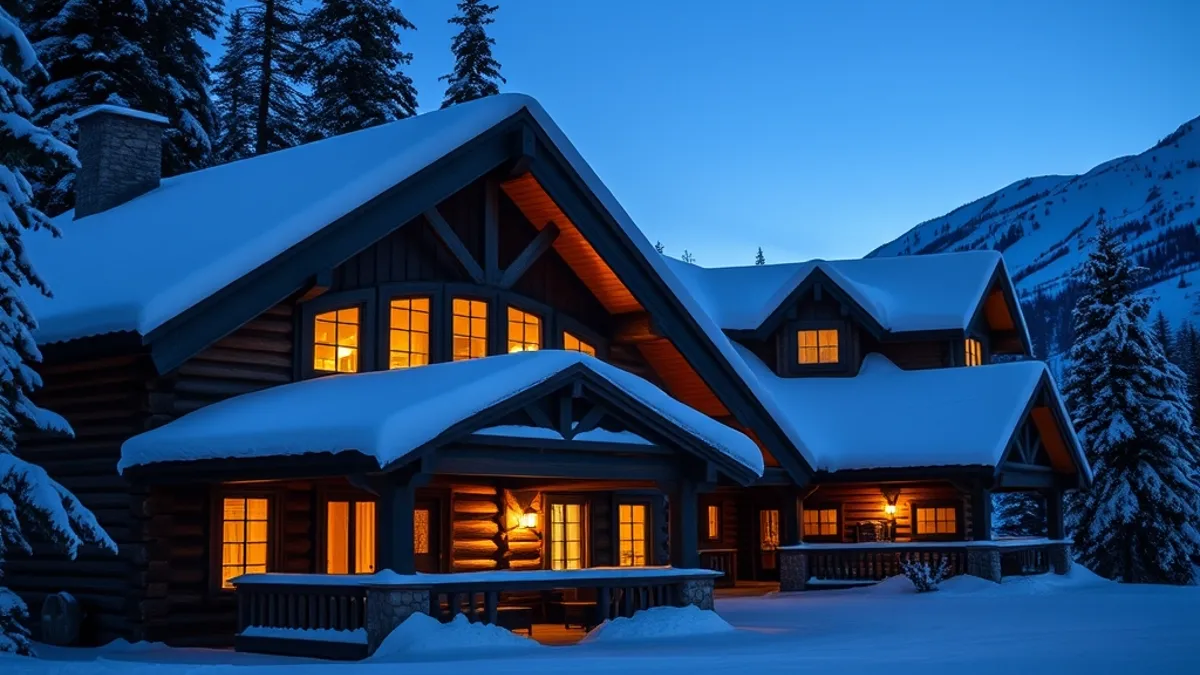
Seasonal Price Swings and Shoulder-Season Savings
Timing is the biggest lever you have on price. A lodge that charges top dollar in July can cost a third less in October, with the same trails, the same lake and often the same wildlife.
Peak seasons in the Rockies and the North
June to September is peak season in the Rockies, bringing the highest nightly rates and minimum-stay requirements at the most sought-after lodges. Everyone wants the long summer hiking days, so lodges can fill up months in advance and hold firm on price.
Winter flips the map. From December to March, it’s ski and aurora lodges that drive prices up, with rates peaking in February and March when the northern lights are most reliable and ski conditions are at their best. If a winter mountain trip is on your mind, it pays to understand how these lodges differ before you compare rates — this guide to choosing a lodge for a winter mountain stay covers the essentials.
Why shoulder season wins
May and October are the sweet spots. Rates in these shoulder months can run 20–40% below peak prices, while most trails remain open and wildlife viewing stays accessible. Larches turn gold in the Rockies in late September and October, and spring brings bears out of hibernation, so you’re not sacrificing much experience. If your dates are flexible, shifting a trip by a few weeks into the shoulder season is the single easiest way to cut your lodge bill without downgrading the lodge itself.
What’s Included: Room Rate vs All-Inclusive Pricing
At first glance, a room-only lodge at CAD 100–180 per night looks like a bargain compared to a wilderness lodge charging CAD 600 or more. But the sticker prices aren’t directly comparable. Once you add dinners at the lodge restaurant, kayak or canoe rentals, and a guided hike with a local naturalist, the daily total of a budget stay can climb quickly — sometimes by more than CAD 100 per day for a couple.
All-inclusive wilderness lodges bundle three meals a day and most guided activities into one rate. That makes them easier to compare honestly: what you see is close to what you’ll pay. A room-only rate, by contrast, is just the starting point for your real trip budget.
There are a few smaller line items that catch travelers out, too. Alcoholic beverages are rarely included even at all-inclusive properties, and gratuities for guides and kitchen staff are usually expected on top. Remote lodges may also charge for airport shuttles from the nearest town, and provincial sales taxes and any local lodging levies are typically added at checkout — ask the lodge for a fully loaded quote so there are no surprises on your final bill.
Before you compare any two lodges on nightly rate alone, work through this checklist:
- Meals: Some mid-range lodges include breakfast only, meaning you’ll pay for lunch and dinner out — a real issue at remote properties with no restaurants nearby.
- Transfers: Fly-in lodges often quote the flight separately from the room, and that air transfer can be a significant addition to the advertised nightly price.
- Park access: Lodges in or near national parks usually don’t cover your park pass, so budget for that separately and check current fee levels before you go.
- Equipment: Canoes, snowshoes, fishing gear and bikes are included at some lodges and rented by the hour at others — ask before booking if these matter to your stay.
- Guided activities: Hikes, wildlife tours and boat trips may be bundled, optional extras, or outsourced to outside operators at additional cost.
- Drinks and gratuities: Ask whether alcohol, coffee snacks and tips are covered, since these add up fastest at all-inclusive properties.
When and How to Book for the Best Rates
Canadian lodges, especially the small wilderness properties, don’t work like city hotels with last-minute discounts. The best rooms at the best properties are often spoken for long before the season starts, so a little planning goes a long way. Remote fly-in lodges are the least forgiving: they host a limited number of guests per week, and a single cancellation can leave a gap that’s hard to fill. Here’s a practical booking sequence to follow.
- Pick your dates and region first. Wilderness lodges in high-demand windows should be reserved far in advance, and fly-in properties often require even earlier bookings than road-access ones.
- Contact lodges directly as well as booking online. A short email or call can reveal availability that never appears on booking platforms, plus details about minimum stays, meal plans and transfer logistics.
- Target shoulder-season windows for flexibility. Stays in May or October are often bookable just a couple of months out, with better room choice and noticeably softer rates than the peak weeks.
- Shift to midweek nights where you can. Many lodges run two-night minimums on weekends; midweek stays frequently unlock lower rates and quieter trails.
- Ask about longer-stay pricing. Booking four or five nights instead of two often earns a reduced nightly rate, particularly at all-inclusive properties.
One last tip: once you’ve found a lodge and date that works, don’t sit on it. Small lodges have few rooms, and popular summer weeks in the Rockies can sell out many months ahead. If your dates are flexible, ask the lodge which weeks have gaps — they’ll often point you toward their best-value options, and some will hold a room for a few days while you decide. A polite follow-up email a couple of months before arrival can also surface upgrades or early-check-in options that were never listed online.
Matching Your Budget to the Right Lodge Type
The right lodge type depends less on your total budget than on how you like to travel. A traveler with a rental car who wants to explore at their own pace will get far more value from a roadside or town-based lodge than from a remote property they can’t leave once they’ve arrived. Think honestly about your style before you book: do you want freedom to improvise, or do you want everything organized for you?
Flexible stays: roadside and town-based lodges
Lodges in or near towns suit independent travelers perfectly. You keep control of your food costs and can drive to trailheads, viewpoints and restaurants on your own schedule. This is the smart choice if your itinerary covers several destinations, since you’re not locked into one property’s meal times and activity calendar. It also makes it easier to mix lodge nights with motels or cabins and spread your budget across the trip.
Immersion stays: fly-in and family-run lodges
Remote fly-in lodges cost more, but the price covers something a roadside room can’t: genuine wilderness with meals, guides and activities all handled for you. If your goal is total immersion — waking up to loons, hiking with a naturalist, no phone coverage — the all-inclusive rate often represents fair value for what’s included. Just remember that once you’re there, you’re there, so build in enough nights to make the transfer worthwhile.
For the best middle ground, look at family-run forest lodges in Quebec and Ontario. Because they sit outside the Rockies’ high-demand market, their nightly rates leave more room in your budget, while you still get real seclusion, home-cooked meals and personal service. For many travelers, this combination of price and atmosphere is the sweet spot in Canadian lodge travel.
Planning Your Canadian Lodge Budget
So, what does a lodge stay in Canada actually cost? The honest answer is that it spans a huge range, from about CAD 100 per night for a simple cabin-style room to CAD 1,500 or more for a fully all-inclusive luxury wilderness lodge. Knowing where you fall on that spectrum is the first step to judging whether a rate is fair.
Region and season matter more than almost anything else. Rockies summer and northern lights winter are the priciest windows to book, while shoulder months like May and October can cut costs by 20–40% without giving up much. For peak dates, plan on reserving 6–12 months ahead, and always compare room-only versus all-inclusive rates so you can see the true cost of your stay. If this guide helped you plan your trip, leave a comment or share it with a fellow traveler.