You know you want a glamping trip, but the stay types look so similar in photos that choosing between a safari tent, yurt and cabin feels like guesswork. Every listing shows a comfy bed, warm lighting and a view of trees, so it is hard to tell which option actually fits your trip. The differences only become obvious once you are there: canvas walls in a September wind, a domed skylight above your pillow, or solid timber between you and a rainy night.
This guide breaks down safari tents vs yurts vs cabins so you can pick with confidence. We compare what each structure actually is, how much comfort and privacy you get, when each type works best in the year, what a night typically costs, and which traveler each one suits. We finish with a practical booking section and a short answer you can act on in under a minute.
What Is a Safari Tent, Yurt or Glamping Cabin? The Basics
Glamping sites usually offer three main structures, and they differ far more than the photos suggest. Knowing what each one physically is will tell you a lot about how a night there will actually feel.
The safari tent
A safari tent is a large canvas structure pitched on a raised wooden platform. The name comes from the classic East African expedition tents, and modern versions keep that spacious, airy layout. You typically get real beds on proper frames, a small kitchenette for basic cooking, and often a veranda across the front where you can sit with your coffee above the grass. Square footage is generous, and the canvas gives you that “sleeping outdoors” sound and smell without the misery of a regular tent.
The yurt
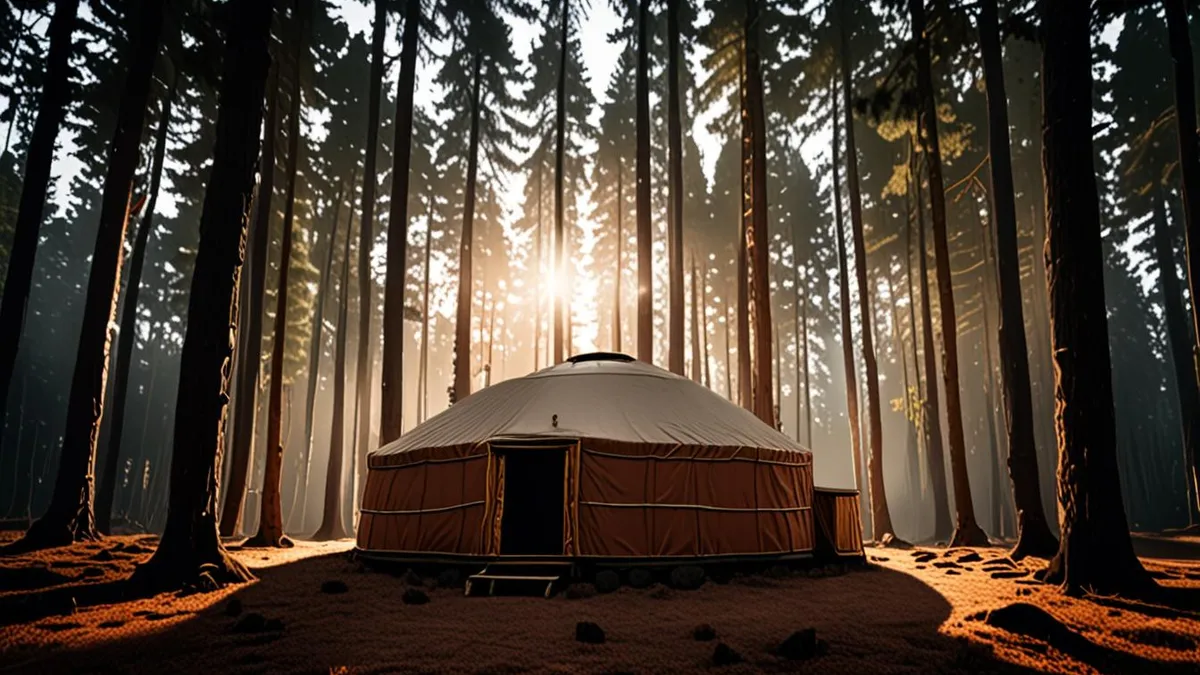
A yurt is a circular tent based on the traditional Central Asian ger. It has lattice walls covered in felt or canvas, a tensioned roof that rises to a domed skylight at the top, and usually a central wood stove for heat. The round shape makes it feel very different from a rectangular room: everything curves, the skylight pulls in daylight and stars, and the stove gives it a cozy, cabin-like warmth despite being a tent. Most yurts are compact, designed for a couple or a small family.
The glamping cabin
A glamping cabin is a solid timber or log structure with real walls, insulation and heating. It behaves much more like a small hotel room or holiday cottage than a tent. Many cabins include a private bathroom, a proper kitchen and solid doors that block wind and noise. You lose some of the “camping” atmosphere, but you gain comfort that does not depend on the weather.
Comfort and Facilities Compared
Comfort is where these three stay types genuinely separate. All three give you a real bed, but what surrounds that bed varies enormously, and it is worth thinking through before you book.
Safari tents offer the most space per guest, often 30-50 m², which is more room than many hotel rooms. You get a proper living area, space to spread out luggage, and usually a veranda. The trade-off is facilities: most safari tent sites use shared bathroom blocks, so a midnight trip means walking outside across the deck and path.
Yurts feel cozy but compact at 20-35 m². The round layout means less usable wall space for furniture, so packing light helps. At most sites, yurts also share bathroom facilities with other guests, which is the main comfort compromise.
Cabins deliver hotel-style comfort. Solid walls, insulation, heating, a private bathroom and usually a full kitchen mean nothing about your stay depends on the weather or your neighbors.
A quick way to compare the practical differences:
- Safari tents: the veranda is the real bonus — a raised, covered outdoor room where you can eat breakfast, play cards or watch the evening light, something neither yurts nor cabins typically offer.
- Yurts: the domed skylight above the bed is a feature you will not find in the other two — fall asleep looking at the stars, and wake to daylight through the roof.
- Cabins: solid walls mean you can run a normal evening — music, a late shower, a cooked dinner — without worrying about noise carrying or canvas flapping in the wind.
If nightly price is your deciding factor, our glamping price guide by stay type breaks down what each structure typically costs per night.
Season and Weather: When Each Stay Type Works
Season is the factor travelers most often overlook when comparing these stay types. The same yurt that feels magical in May can feel like a different experience in a January storm, and the differences come down to what each structure is made of.
Safari tents: a warm-weather structure
Safari tents are canvas, and canvas has limits. In most of Europe the safari tent season runs roughly April to October, when nights are mild enough for a tent with limited insulation. Outside that window, canvas can feel chilly and damp, and condensation becomes an issue. If your trip falls in high summer, a safari tent is at its best: breezy, airy and the closest you get to sleeping outdoors without roughing it.
Yurts: built for the shoulder months
Yurts handle cooler weather better than canvas tents. The thick felt-or-canvas covering insulates well, and most yurts include a wood stove you can light in the evening. That combination makes yurts a strong choice for the shoulder seasons of April-June and September-October, when safari tent sites may feel too cool but you still want the tent-like atmosphere. Check with the site that the stove is included and firewood is provided before you book a cooler-month stay.
Cabins: the only true winter option
Cabins are the only option that stays comfortable in frost and snow. Solid walls, insulation and heating mean a cabin behaves like a small house, so a December stay with snow outside the window is genuinely pleasant rather than an endurance test. If winter glamping is the goal, book a cabin or lodge. And whatever structure you choose for a cooler-weather trip, a good packing checklist for a glamping trip will save you from cold evenings and forgotten basics.
What Each Stay Type Costs Per Night
Glamping prices vary widely by stay type, but there are reliable patterns. As a broad guide, safari tents typically run €100-250 per night, yurts €90-200, and cabins €120-350. Treat these as planning ranges rather than quotes: location, season and the individual site matter as much as the structure itself.
Why cabins sit at the top of the range
Cabins cost more for two practical reasons. First, they almost always include a private bathroom, which means plumbing, hot water and more maintenance for the operator. Second, they can operate year-round, including winter, so owners invest in insulation and heating that canvas structures simply do not need. You are paying for hotel-style infrastructure, and the nightly rate reflects it.
Yurts are usually the budget entry point. Their simpler construction and shared bathroom blocks at most sites keep prices lower, which makes them an appealing first taste of glamping if you want the atmosphere without the premium.
Timing your booking to save money
Shoulder-season stays in May and September often cut rates by 20-30% compared with July-August peaks. The weather is usually still pleasant, the sites are quieter, and you get the same canvas or timber for noticeably less. If your dates are flexible, shifting a trip by a few weeks is the single easiest way to reduce the cost of any of the three stay types. Always check current prices directly with the site, as rates change from year to year.
Which Stay Type Suits Which Traveler
The right glamping stay depends less on the structure and more on who is traveling with you. A setup that delights a couple can frustrate a family of five, and vice versa. Here is how the three types map to the most common traveler profiles.
Families of 4-5 get the most out of safari tents. These structures usually sleep 2-5 guests and offer the most floor space per person, and the raised veranda gives children a contained, safe outdoor area where parents can relax while keeping an eye on them. Real beds on a solid platform also mean no crawling over each other to reach the bathroom block at night.
Couples chasing atmosphere should look hard at yurts. The circular shape, the domed skylight above the bed and the crackle of a wood stove in the evening create a romantic, almost cocoon-like feel that rectangular rooms struggle to match. Stargazing from bed is a genuine highlight, not a marketing line.
If you have never glamped before, or you simply dislike being cold, a cabin removes all camping risk. Solid walls block wind and noise, heating is standard, and a private bathroom means no midnight walks across a field. For a first trip, it also helps to read up on how to pick the right glamping site before you commit.
- Families: pack for shared facilities — most safari tents have no private bathroom, so bring flip-flops and a toiletry bag that can survive a walk to the wash block.
- Couples: yurts usually sleep 2-4, so a larger yurt can still work for a parent and child if you want the atmosphere without leaving anyone home.
- First-timers: cabins typically sleep 2-6, making them the most flexible option when your group mixes adults, kids and a grandparent who insists on heating.
How to Choose and Book Safari Tents, Yurts and Cabins
Choosing between a safari tent, a yurt and a cabin is mostly about matching the structure to your dates and your comfort expectations, then booking at the right time. Many travelers pick a category first and squeeze their trip around it, but the smarter order is the reverse: fix your travel window, then let it point you toward the stay type that will actually be comfortable. Work through the steps below in order and the decision largely makes itself.
- Fix your travel months first. Canvas structures suit the April-October window in most of Europe; outside that period they can be chilly and damp. If you want a winter break, a cabin is effectively your only comfortable choice, since cabins and lodges are typically bookable year-round.
- Consider a yurt for the shoulder months. Yurts insulate well and usually include a wood stove, which makes April-June and September-October their sweet spot — cooler nights feel cozy rather than cold.
- Book according to demand. For summer weekends, 2-4 months of lead time is a sensible rule of thumb. For July-August in popular regions, plan 6+ months ahead, as the best units go first.
- Check the bathroom situation before paying. Most safari tents and yurts share bathroom blocks, while cabins almost always have private bathrooms. If a private bathroom matters to you, confirm it in writing rather than assuming.
- Confirm heating for shoulder-season trips. If you are traveling in May or late September, ask the site directly whether the unit has a stove or heater and whether it is included, so there are no surprises on a cold night.
One last practical tip: when you contact a site, ask about the specific unit you will receive, not just the category. Two safari tents on the same site can differ in size, view and distance to the wash block, and a two-minute question at booking time is far easier than a disappointing arrival. It also helps to ask about arrival logistics — where you park, how far you carry your bags, and whether staff are on site in the evening. Small details like these rarely appear in listing photos, yet they shape your first and last impressions more than any brochure claim. A short email before you pay costs nothing and can save an entire weekend.
Safari Tent, Yurt or Cabin: The Short Answer
So, safari tent, yurt or cabin? If you want maximum space and that open-air, veranda-with-your-morning-coffee feeling, the safari tent is the pick, as long as you travel between April and October and are happy with shared bathroom blocks. If you want cozy character without spending much, a yurt delivers wood-stove warmth and a stargazing skylight at the friendliest price, especially in the shoulder months.
For hotel-style comfort in any season, choose a cabin: solid walls, private bathroom and heating that shrugs off frost and snow. Three factors decide the right pick: price, season and whether bathrooms are private or shared. And whichever stay type you choose, one rule holds across the board: book early for summer, because the best spots go first. If this helped you decide, leave a comment or share the article with your travel crew.