Glamping in the UK can be brilliant value and huge fun, but only if you pick your moment. Prices and availability swing wildly by season: the same safari tent that costs £200 a night in August can drop by half in September, and plenty of sites simply close for the winter. First-timers often book at the wrong time and either overpay for a peak weekend or arrive to cold rain they weren’t prepared for.
This guide breaks down what each season actually offers, from bluebell-season spring trips to bargain winter pods, and gives you realistic booking lead times for each. We’ll look at why timing matters, the spring window from April to late May, the summer peak-season trade-off, autumn from September to October, who winter glamping really suits, when to book by season, and how to pick the right season for your budget and travel style.
Why Timing Matters for Glamping in the UK
Timing shapes almost everything about a glamping trip in the UK, from how much you pay to what you can actually do once you’re there. The weather alone is reason enough to plan carefully. In May and September, daytime temperatures typically sit in a comfortable 10-18°C range, which is pleasant for walking, sitting outside your pod and eating dinner at a picnic table. In winter, frequent rain and near-freezing nights are common, and even summer can deliver a soggy week if you’re unlucky.
Prices move with the calendar
Rates swing just as much as the weather. Peak-season nightly prices typically run £100-£250 for a good unit, but the same accommodation often drops to £60-£150 in shoulder months. That difference can fund an extra night, a nicer site, or a decent meal out, so it pays to know when the peaks and troughs fall.
Options shrink in winter
Availability matters too. Many glamping sites shut entirely between November and March, so a last-minute winter search can leave you with a fraction of the usual choice. If you have your heart set on a specific site or region, checking its opening season before you fall in love with a photo will save you disappointment later.
Spring Glamping: April to Late May
For anyone trying glamping for the first time, April to late May is arguably the kindest window. Days turn milder, daylight stretches well into the evening, and you get a proper taste of outdoor living without the crowds or the price tag of high summer. Nights can still be cool, so packing layers matters, and it pays to follow a practical packing checklist for glamping before you set off, so you stay comfortable from the very first evening.
Scenery you won’t get in summer
Spring has a visual bonus that summer simply can’t match. Bluebell woods hit their peak in late April and May in many parts of England and Wales, turning whole forest floors a vivid blue, and lambing season fills fields with newborn lambs across the countryside. If your idea of a good trip involves scenic walks and photos rather than sunbathing, this is your season.
Shoulder-season prices
The other big draw is cost. Spring sits firmly in the shoulder season, when nightly rates drop well below peak pricing for identical units. You’ll also find better availability at popular sites, which means more choice of pitches, pods and cabins, and far less pressure to commit months in advance. For a first glamping trip, that combination of mild weather, pretty countryside and lower prices is hard to beat — just remember that cooler evenings are part of the deal, so bring warm layers and check what bedding your chosen site provides.
Summer: The Peak Season Trade-Off
From late May to early September, glamping in the UK is at its most reliable. This is the warmest, driest stretch of the year, with the longest evenings, and sites run at full capacity: communal facilities, on-site cafés, firewood deliveries, activity hire and everything else operating normally. If you want the classic glamping experience with all the extras, this is when you’ll get it.
The cost of good weather
The trade-off is price and crowds. Expect to pay a premium for summer nights, with rates sitting at the top of the market compared with quieter months. Popular sites fill up fast, especially around bank holidays when families and groups descend on the best locations. Expect busy shower blocks, queues at the pizza oven and far less of that quiet, back-to-nature feel many people go glamping for in the first place. If a lower price and a calmer site matter more to you than guaranteed sunshine, the shoulder seasons covered elsewhere on this page will suit you better.
Booking well ahead is essential
If summer is your window, treat booking like a project. For peak-season summer weekends, especially bank holiday dates, book 6-12 months ahead to secure the best units. The most desirable accommodation, whether that’s a treehouse, a hot-tub cabin or a large safari tent, tends to go first, and by the time spring arrives your choices are usually the leftover pitches and the awkward midweek gaps. Planning early also gives you time to compare sites properly rather than settling for whatever’s left.
Autumn Glamping: September to October
September might be the smartest month on the glamping calendar. Daytime temperatures typically sit between 10-18°C, which is warm enough for evenings on the deck with a glass of wine, yet the summer crowds have gone home once the school holidays end. Because demand drops, so do prices: shoulder-season rates are noticeably lower than the £100-£250 you can expect at the height of summer, so you often get the same sites and facilities for a friendlier bill.
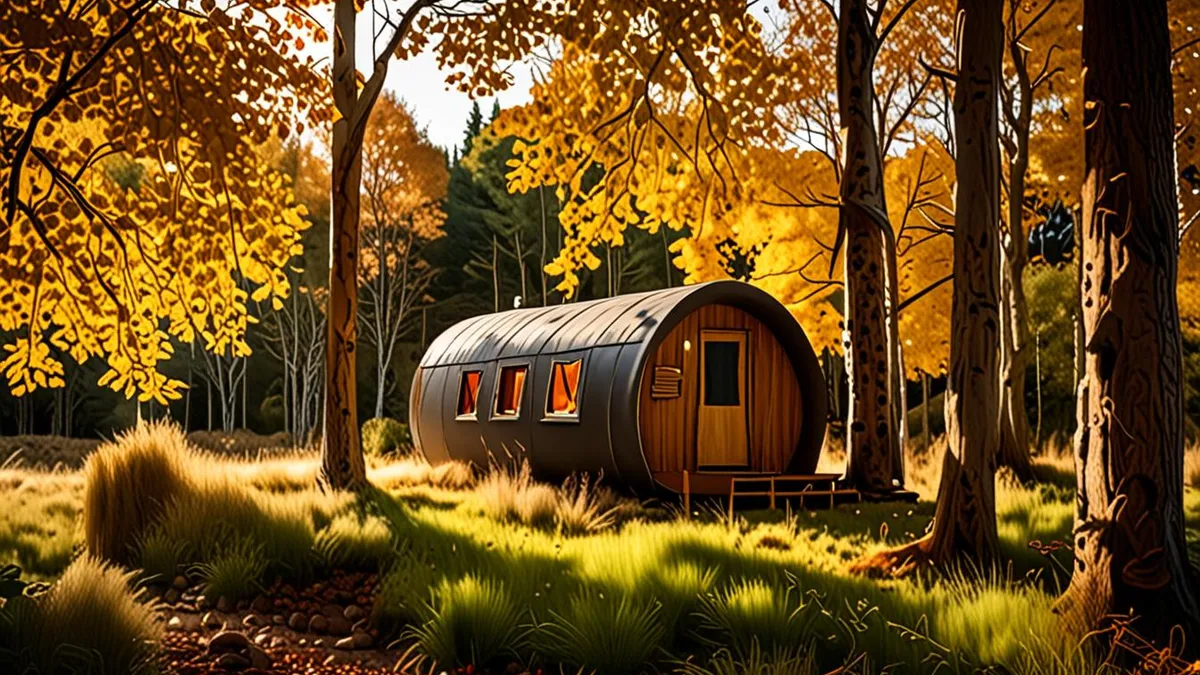
October brings a different kind of appeal. Deciduous woodlands across the UK turn gold, orange and deep red, and a pod or cabin tucked into the trees puts you right in the middle of it. If you have ever looked at photos of woodland glamping and wondered when it actually looks like the pictures, October is your answer. Pack a few extra layers, as nights get noticeably colder and damp is more likely. It is also a good month for quiet walks, pub lunches and stargazing without fighting for a viewing spot.
How far ahead to book
The good news for spontaneous travelers is that autumn is far easier to book than summer. A lead time of 2-3 months is usually enough to secure a good unit, even for popular woodland sites, and flexible dates often open up more choice. If you want a specific pod with a private hot tub or a weekend that overlaps with a local event, book a little earlier, but most autumn trips can be planned without a year of forward thinking. Just check that your chosen site is open, as a few smaller operations wind down once the colder months approach.
Winter Glamping: Who It Works For
Winter glamping is a niche, and it pays to understand what you are signing up for. Between November and March, many glamping sites close entirely, so your options shrink dramatically. What typically stays open are insulated, heated pods and cabins — the solid structures with proper heating, double glazing and real beds, rather than safari tents or bell tents that are packed away until spring.
The upside is price. Because demand is low, last-minute winter deals can fall 30-50% below summer rates. If you have flexible dates and keep an eye on site offers, you can often book a cozy heated pod for a fraction of what the same unit costs in July. That makes winter the best-value window in the UK glamping year for travelers who do not mind shorter days.
Who should actually consider it
Winter glamping works best as a cozy base rather than an activity trip. Think long pub lunches, a log burner, board games and a hot tub under the stars, with indoor attractions like museums, spas and historic houses nearby for the wet afternoons. If your plan involves long hikes, wild swimming or hours outside each day, you will likely be fighting the weather rather than enjoying it.
It also suits couples celebrating something special. A heated pod with frosty views can feel genuinely romantic, and you will share the site with far fewer neighbors than in summer. Just check what is actually open in the surrounding area before you book, as some rural pubs, cafés and attractions reduce their hours in the quieter months.
When to Book: Lead Times by Season
Glamping booking windows vary hugely by season, and getting this right matters just as much as choosing the right pod or cabin. Book too late for the most popular dates and you will be left with the least appealing units at the highest prices; book too early in winter and you may miss out on last-minute discounts. A useful rule of thumb: the more in-demand the dates, the further ahead you need to commit.
Before you set a budget, it helps to know what different stay types actually cost across the year — this price guide by glamping stay type breaks down typical rates so you can compare pods, cabins and tents before you commit to dates.
Lead times at a glance
- Peak summer weekends and bank holidays: these sell out fastest, especially if you want a specific unit such as a treehouse or a hot tub pod — those tend to go first, so reserve as soon as sites open their books.
- Shoulder seasons (April to late May and September to October): a couple of months of lead time is usually comfortable, with good availability across most sites and lower shoulder-season rates.
- Winter heated pods: often bookable at short notice, and flexible travelers can find genuine bargains by watching for last-minute offers on insulated, heated units.
If your dates are fixed — a bank holiday, a school holiday, an anniversary — treat them like peak season and book as early as the site allows. If you can travel midweek or shift your trip by a week or two, you can usually wait longer, enjoy quieter sites and pay less for the same unit.
Wrapping Up: Picking Your Season
So when should you go glamping in the UK? The honest answer is that it depends on what you value most. May and September offer the best mix of mild weather and shoulder-season prices, which is why they suit most first-timers. Summer brings the warmest, driest days but also the highest rates and the biggest crowds, so it works best for families who can book 6-12 months out.
Winter is the wildcard: many sites close between November and March, but bargain hunters willing to stay in heated pods can find deals well below summer rates. The real trick is to match your season to your booking lead time and budget first, then choose a site that fits. Get that order right, and you’ll avoid both overpaying and shivering. If this helped you plan your trip, leave a comment or share the article with a fellow traveler.