Glamping with kids sounds like the perfect family trip until the doubts creep in. Will they get bored without a screen in sight? Will they shiver through the night, or melt down because the whole experience feels too unfamiliar? These worries stop a lot of parents from booking that first outdoor stay, even though the whole point of glamping is that someone else has already done the hard part.
The good news is that a little planning solves most of it. This guide walks you through why glamping works so well for families, how to choose a genuinely child-friendly site, which stay type suits your kids’ ages, and when to book and go. We’ll also cover packing, keeping kids entertained on site and beyond, and a quick summary to pull it all together. By the end, you’ll know exactly how to plan a first trip that feels like an adventure for the kids and an actual holiday for you.
Why Glamping Works So Well for Families with Kids
The biggest stress points of tent camping with children disappear the moment you swap a nylon tent for a proper glamping unit. Real beds mean no wrestling sleeping pads at bedtime. Heating means a cold snap doesn’t turn into a 2 a.m. emergency. And a private bathroom means no stumbling across a dark field with a sleepy toddler who suddenly needs the toilet.
Adventure for them, comfort for you
Kids don’t care whether the walls are canvas or brick. They care that they’re sleeping somewhere new, that there’s a campfire outside, and that the whole place feels like an expedition. Glamping delivers that outdoor adventure feel while parents keep the comfort and safety of a solid, fixed structure with a door that locks and a roof that doesn’t leak.
There’s also a practical bonus: no gear-buying and no setup skills required. Traditional camping means investing in tents, sleeping bags, coolers and lanterns, then spending your first hour on site fighting with poles. With glamping, you arrive, drop your bags and start the holiday. For a first family trip, that difference is hard to overstate.
Choosing a Family-Friendly Glamping Site
Not all glamping sites are equally suited to children, so it pays to look closely at what’s actually on offer before you book. A romantic couple’s retreat and a family playground in the same region can look identical in photos. Start by prioritising sites with playgrounds, pools, animal areas or organized kids’ activities, since these give children something to do beyond the tent itself. Ideally, those facilities should be within walking distance of your unit, so you’re not packing everyone into the car several times a day. It also helps to read a general guide on how to pick the right glamping site before you narrow down your shortlist.
Then get specific about the practical details. One of the most overlooked is the walk from the car to your unit, which becomes very real when you’re carrying bags, cool boxes and a toddler. A short, clear path from parking to the tent makes arrivals and daily comings and goings far easier; a long trek across a field usually means multiple trips with kids in tow.
- Check what’s within walking distance. A playground, pool or animal area a short stroll from your tent means you’re not driving back and forth all day.
- Read reviews from other families specifically. They’ll tell you about noise levels, whether the site genuinely welcomes children, and how staff handle meltdowns.
- Confirm sleeping arrangements in writing. Family glamping tents typically sleep 4-6 people, so make sure one unit covers your whole family rather than splitting parents and kids across separate tents.
A quick email to the site to confirm sleeping arrangements, parking and facilities is never wasted. Most owners reply within a day or two, and their answers tell you a lot about how family-friendly they really are. Getting all of this right before you book is far easier than rearranging a trip after arrival, especially with young children in tow.
Picking the Right Stay Type for Your Children’s Ages
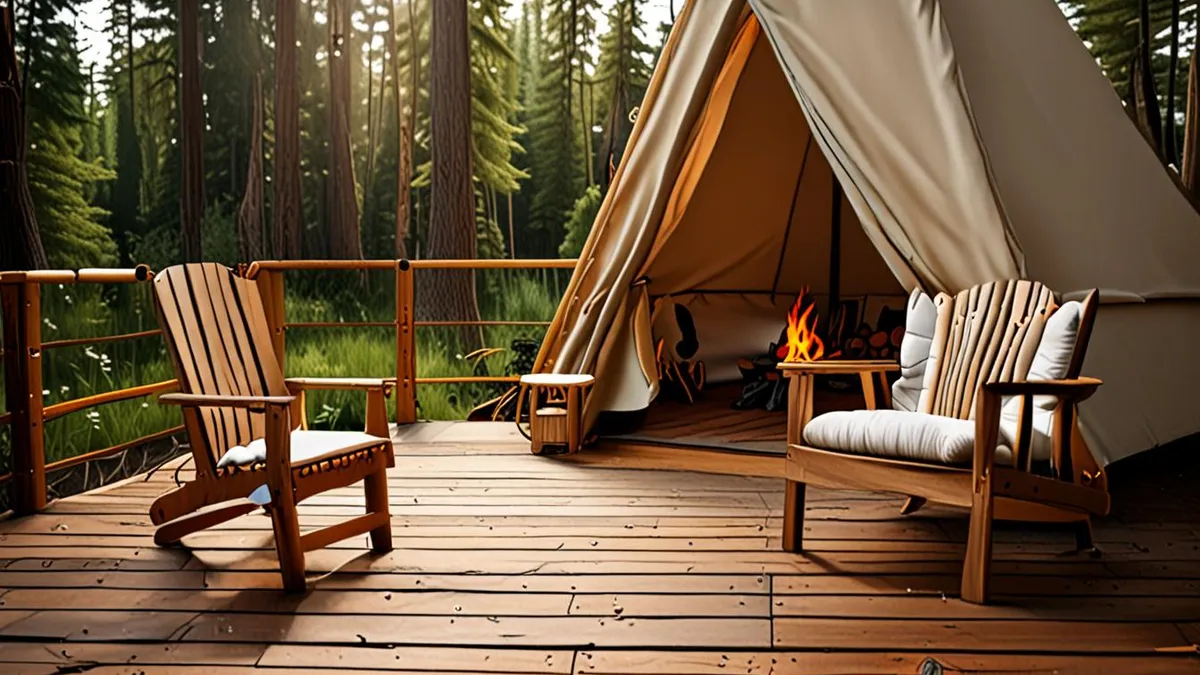
The best stay type depends less on your taste and more on how old your children are. A unit that thrills a ten-year-old can be genuinely impractical with a baby, so match the accommodation to the family you actually have, not the one you see in dreamy photos.
For toddlers and babies
Safari tents and cabins are the safest bet with very young children. Solid walls block early morning light and noise, and there’s usually floor space for a travel cot. Cabins in particular feel close enough to a normal bedroom that most babies and toddlers settle without drama.
For school-age kids
Treehouses and bubble domes are the showstoppers, and children aged 6-12 tend to find them magical. The catch is that they often sleep fewer people, so larger families may need to book two units or look elsewhere. Yurts and bell tents are a great middle ground for school-age kids, who usually handle novelty and shared space well, and they typically offer more flexible sleeping arrangements.
On price, expect roughly 120-300 EUR per night for family-sized units, with domes and treehouses often sitting at the higher end. For a fuller breakdown, this price guide by stay type shows how costs compare across the different options, so you can balance wow factor against your budget.
When to Book and When to Go
Timing makes a bigger difference to a family glamping trip than almost anything else. Book the wrong window and you either pay peak prices or squeeze into a unit that barely fits everyone. The good news is that a little forward planning removes most of that stress. Family-sized tents typically sleep 4-6 people and cost roughly 120-300 EUR per night, so knowing when to book directly affects both your budget and your choice of unit. Here is how to plan it out.
- Reserve family units 3-6 months ahead for summer. Tents that sleep a whole family are the most popular category on any site, and for June-August dates they tend to sell out first. As soon as you know your travel window, contact your shortlisted sites and ask about availability for family-sized units. If you leave it later, expect limited choice and less flexibility on layout.
- Consider the shoulder season instead. May, early June and September usually bring lower rates, milder weather and noticeably quieter sites. Kids can still play outside comfortably, and you will share the pool or playground with far fewer other families. Shoulder-season trips also make it easier to be flexible if the weather turns.
- Keep the trip short if your children are young. For children under 10, plan 2-3 nights. Longer stays often lead to overtired meltdowns, disrupted routines and parents counting down the hours until home. A shorter first trip also lets you test whether glamping suits your family before committing to a longer break.
- Choose somewhere close to home for your first outing. Aim for a site within a 2-hour drive of home. Short transfers keep the journey manageable with kids, and if you forget something important, it is an easy fix rather than a trip-ruiner.
Once your dates and unit are locked in, you can turn your attention to what goes in the bags. A solid glamping packing checklist will save you from the usual last-minute panic the night before departure.
Packing for Glamping with Kids
Packing for glamping is easier than packing for tent camping, but kids change the equation. They get cold faster, they get muddy on purpose, and they struggle to sleep in an unfamiliar bed. A little thought here saves a lot of stress later, especially when you arrive tired and the temperature starts falling before you have unpacked the car.
The most common mistake is dressing children for the daytime weather only. Even in warm months, nights can drop 10-15 degrees below daytime highs, so everyone needs layers they can add or shed easily. The second mistake is skipping the comfort items that make bedtime work at home, then wondering why nobody sleeps in the tent. Pack as if you are preparing for two different days: a warm, active one and a chilly, quiet one.
- Layers for every family member. Think t-shirts, a warm midlayer such as a fleece, and a proper jacket each. Kids heat up running around and cool down just as fast when they stop, so separate pieces beat one thick coat.
- Familiar comfort items. A favorite stuffed toy, a sleep sack or a small nightlight can turn a strange bedroom into a manageable one. Whatever your child uses to fall asleep at home, bring it.
- Muddy-play gear. Wellies, rain jackets and at least one change of clothes per child per day are non-negotiable if the site has grass, fields or a playground after rain.
- A small activity bag. Colouring books, card games and a couple of picture books give kids something calm to do during downtime in the tent, especially on a rainy afternoon or before breakfast.
One practical tip: pack each child’s clothes in a separate soft bag rather than one big family suitcase. It makes finding clean socks at bedtime far less painful. Do the same with toiletries so bathroom trips with tired kids take seconds instead of minutes. Finally, keep a spare set of clothes and a towel in the car rather than the tent, so a soaked child on the last morning does not derail your departure. If you are driving to the site, there is no penalty for bringing one extra bag of “just in case” items, and with children there is almost always a just in case.
Keeping Kids Entertained On Site and Beyond
Children do not need a packed itinerary to enjoy glamping. What they need is rhythm: one thing to look forward to each day, and enough unstructured time to just play. Parents who plan every hour usually end up more exhausted than the kids.
Build each day around one anchor
Pick a single highlight for each day and let everything else happen around it. A campfire evening with s’mores, a nature scavenger hunt around the site, or a long pool session all work well. When kids know the anchor is coming, the quieter parts of the day feel like a build-up rather than boredom. If you want to venture beyond the site, choose one with easy family attractions nearby, such as beaches, gentle trails or animal parks within a 30-minute drive.
Slow mornings and small jobs
Resist the urge to head out early. Kids need unhurried breakfasts before any excursion, and a rushed morning sets a bad tone for the whole day. Give yourselves a generous buffer and treat breakfast as part of the experience, not an obstacle. Older children can also take on small camp tasks, like collecting firewood or choosing the s’mores spot. These jobs give them a sense of ownership over the trip, and they often remember the responsibility more fondly than any paid attraction.
Your Family Glamping Trip at a Glance
Glamping answers the worries that stop most parents from trying an outdoor stay with kids: boredom, cold nights and overwhelmed little ones. With real beds, heating and solid walls, you get the adventure of sleeping outdoors without the stress of a traditional tent trip. The kids still get campfires, muddy puddles and stars overhead — just with a warm place to fall asleep afterward.
The recipe is simple. Pick a child-friendly site and a stay type suited to your kids’ ages, and book 3-6 months ahead if you want summer dates, or choose shoulder-season months for quieter, cheaper stays. Pack layers for chilly evenings plus a few comfort items from home, and plan 2-3 relaxed nights built around one daily anchor activity. That’s really all it takes. If this helped you plan your first family glamping trip, leave a comment or share the article with another family.